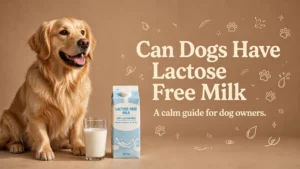
No, dogs should not drink milk as a regular drink. Most adult dogs are lactose intolerant, so milk often causes gas, bloating, diarrhea, or vomiting. A small accidental lick is rarely dangerous, but milk gives dogs no nutrition they do not already get from good dog food. Fresh water is always the better choice.
The Short Answer Vets Give About Dogs and Milk
If you ask a vet “can a dog drink milk,” the answer is almost always the same. Technically yes, but they should not. Milk is not toxic to dogs the way chocolate or grapes are toxic. The problem is digestion, not poison.
Most adult dogs stop making enough lactase after they are weaned. Lactase is the enzyme that breaks down lactose, the natural sugar in milk. Without enough of it, milk sits in the gut and ferments. That is what causes the gas, cramps, and loose stool.
Puppies are different. Newborn puppies make plenty of lactase because they live on their mother’s milk. But that ability fades fast. By the time a puppy is fully weaned, usually around 8 weeks, cow milk is already a bad idea. If an orphaned puppy needs milk, vets say to use a puppy milk replacer, never cow milk.
Why Most Adult Dogs Cannot Digest Milk
Here is the simple science. Lactose is a sugar made of two smaller sugars stuck together. The enzyme lactase splits them so the body can absorb them. Puppies make lots of lactase. Adult dogs make very little.
When lactose is not split, it travels whole into the large intestine. There, gut bacteria feast on it. The feast creates gas and pulls water into the bowel. The result is bloating, cramps, and diarrhea, usually within a few hours of drinking milk.
This is not a rare condition. Vets estimate that a large share of adult dogs are at least mildly lactose intolerant. Some dogs handle a spoonful with no trouble. Others get sick from a few laps. There is no way to know which kind your dog is until you see a reaction, which is why vets say not to test it on purpose.
Cow milk is about 5 percent lactose. That sounds small, but a full bowl holds a lot of sugar for a dog’s gut. Skim milk has the same lactose as whole milk, so switching to skim does not solve the problem. Only lactose free milk removes the sugar, and even that still carries fat and calories.
Milk Intolerance vs Milk Allergy: The Difference That Matters
Many articles mix these two up. They are not the same thing, and the difference matters for your dog.
Lactose intolerance is a digestion problem. The dog lacks the enzyme to break down milk sugar. Symptoms stay in the gut: gas, bloating, diarrhea, vomiting. It is uncomfortable but almost never life threatening.
A milk allergy is an immune problem. The dog’s immune system attacks milk proteins like casein or whey. Symptoms go beyond the gut. Watch for itchy skin, red ears, paw chewing, hives, face swelling, or repeat ear infections. A true milk allergy is much less common than intolerance, but it is more serious.
Why does this matter? Because the fix is different. A lactose intolerant dog might handle a tiny bit of hard cheese, which has almost no lactose. A dog with a milk allergy must avoid all dairy completely, cheese included. If your dog shows skin symptoms after dairy, talk to your vet about allergy testing instead of guessing.
7 Warning Signs Your Dog Reacted Badly to Milk
Symptoms usually show up within 2 to 12 hours after drinking milk. Watch for these seven signs.
1. Diarrhea or loose stool. This is the most common sign. Undigested lactose pulls water into the bowel, which loosens the stool fast.
2. Vomiting. Some dogs throw up within an hour or two. One episode may pass on its own. Repeated vomiting needs a vet.
3. Gas. Fermenting lactose makes a lot of gas. If your dog is suddenly very gassy after milk, that is the cause.
4. Bloating. The belly looks swollen or feels tight. Mild bloating passes. A hard, painful, rapidly swelling belly is an emergency, though that is rare from milk alone.
5. Stomach gurgling. Loud rumbling sounds from the gut mean the intestines are working overtime on the undigested sugar.
6. Loss of appetite. A dog with cramps often refuses the next meal. Appetite should return within a day.
7. Restlessness or drooling. Pacing, whining, lip licking, or extra drool can signal nausea or belly pain.
If symptoms are mild and your dog is still drinking water and acting normal, most cases clear within 24 hours. Call your vet if vomiting or diarrhea lasts longer than a day, if there is blood in the stool or vomit, or if your dog seems weak or in pain.
How Much Milk Is Safe for Dogs? Follow the 10 Percent Rule
The honest answer is that no amount of milk is needed, but a tiny taste is unlikely to hurt a dog that tolerates dairy. Vets who allow any milk at all cap it as a rare treat under the 10 percent treat rule. All treats combined should stay under 10 percent of daily calories.
What a small taste looks like by dog size:
Dog size
Weight
A rare tiny taste
Extra small
Under 10 lb
1 teaspoon
Small
10 to 25 lb
1 tablespoon
Medium
25 to 60 lb
2 tablespoons
Large
Over 60 lb
1/4 cup at most
This is a maximum for an occasional taste, not a daily serving. Never pour milk as a meal or mix it into water as a regular drink. And never give milk to test whether your dog is intolerant. If you want to know, ask your vet instead.
Cow Milk vs Goat Milk vs Lactose Free Milk: Which Is Least Bad?
Not all milks are equal for dogs. Here is how the common types compare.
Milk type
Lactose level
Verdict for dogs
Whole cow milk
High, about 5 percent
Not recommended. Most likely to cause upset.
Skim or low fat cow milk
Same as whole milk
Not recommended. Less fat, but the lactose is unchanged.
Lactose free cow milk
Near zero
An occasional sip is the safest cow milk option, but it is still fatty and calorie heavy.
Goat milk
Lower than cow milk
Small amounts are tolerated by some dogs. Still rich, so keep it rare.
Almond milk, unsweetened
None
Not recommended. Adds fat and calories with no benefit. Must be xylitol free.
Oat milk
None
Not recommended. High in carbs and sugar, no benefit for dogs.
Soy milk
None
Not recommended. Soy is a common allergen for dogs and products are often sweetened.
Coconut milk
None
Not recommended. Very high in fat and can upset the stomach fast.
The hidden danger in plant milks is xylitol, also called birch sugar. It is a sweetener used in some sugar free products, and it is extremely toxic to dogs. Even a small amount can crash blood sugar and damage the liver. Always read the label. If you see xylitol or birch sugar, keep that product far away from your dog.
Goat milk deserves a note because it is often sold as a dog friendly option. It does have less lactose than cow milk and some dogs handle it better. But it is still rich in fat and calories, so it stays in the rare treat category, not the daily drink category.
Can Puppies Drink Milk?
Puppies can drink their mother’s milk. That is the only milk nature designed for them. It has the right mix of fat, protein, and antibodies that protect newborns from illness.
Cow milk is a poor substitute. It has the wrong balance of nutrients for a growing puppy and can cause diarrhea, which dehydrates a small puppy fast. If a puppy cannot nurse, use a commercial puppy milk replacer made for dogs. Your vet can recommend one and show you the right feeding amounts.
Puppies usually start tasting solid food around 3 to 4 weeks of age. By 8 weeks most are fully weaned and do not need any milk at all. After weaning, their lactase production drops, just like in adult dogs. From that point on, water is the drink they need.
The Raw Milk Risk Nobody Mentions
Most articles about dogs and milk skip raw milk completely. Raw milk is milk that has not been pasteurized, and it carries risks that go beyond lactose.
Pasteurization kills harmful bacteria. Raw milk can carry Salmonella, E. coli, and Listeria. Dogs can get sick from these germs just like people can. A dog with a strong stomach might handle it, but puppies, senior dogs, and dogs with weak immune systems face real danger.
Raw milk fans claim it is easier to digest because it keeps natural enzymes. Vets do not agree. The lactose content is the same, so a lactose intolerant dog reacts to raw milk the same way. The bacterial risk is added on top, with no proven benefit for the dog.
If someone offers your dog raw milk as a health food, skip it. The safe choice is no milk, and the second safest is a small amount of pasteurized lactose free milk on rare occasions.
What to Do If Your Dog Already Drank Milk
Do not panic. A dog that lapped up spilled milk is almost never in serious danger. Follow this simple plan.
In the first hour: Take the milk away and give fresh water. Do not try to make your dog vomit. Just watch. Note how much milk your dog drank and what kind it was. This helps your vet if you need to call later.
Over the next 12 hours: Watch for the warning signs listed above. Mild gas or one soft stool is common and usually passes. Keep meals light and skip rich treats for the rest of the day.
At 24 hours: Most mild reactions are gone by now. If vomiting or diarrhea is still going, or if your dog refuses water, call your vet. Repeated fluid loss can dehydrate a dog, especially a small one.
Call the vet right away if: there is blood in vomit or stool, the belly is hard and swelling fast, your dog is very weak or collapses, or the milk contained chocolate or xylitol. Chocolate milk and xylitol sweetened products are emergencies, not wait and see situations.
What Should Dogs Drink Instead of Milk?
Water. That is the full answer, and every vet agrees on it. Fresh, clean water should be available to your dog at all times. It hydrates better than any milk and carries zero risk.
If you want to make drinks more fun, try these safe ideas.
Ice cubes. Many dogs love crunching ice on a hot day. It is just frozen water, so it is completely safe.
Water with a splash of low sodium broth. A little plain chicken or bone broth in the water bowl can tempt a picky drinker. Use broth with no onion, no garlic, and low salt. Keep it as an occasional treat.
Frozen broth treats. Freeze low sodium broth in an ice tray for a cool snack. Same rules: no onion, no garlic.
Goat milk kefir, tiny amounts. Plain unsweetened kefir has live cultures that help break down lactose, so some dogs tolerate a spoonful. It is still dairy, so keep it rare and skip it if your dog reacts.
Skip fruit juice, soda, coffee, tea, and alcohol. They carry sugar, caffeine, or other ingredients that harm dogs. And never mix milk into the water bowl to get a dog to drink more. If your dog is not drinking enough water, talk to your vet. There may be a health reason behind it. For safe snack ideas beyond drinks, see our guide on whether dogs can eat bananas.
Our Verdict: Should Dogs Drink Milk?
Most adult dogs do better without milk, since they lose the enzyme that digests lactose after weaning. A small lick now and then may be fine for some dogs, but water should be the everyday drink. Watch for gas, loose stool, or vomiting after dairy, and call your vet if symptoms last more than a day. If you want to share a milky treat, lactose free milk in a tiny amount is the gentler choice.
Frequently Asked Questions About Dogs and Milk
Can dogs drink milk safely?
Dogs should not drink milk as a regular drink. Milk is not toxic, but most adult dogs are lactose intolerant and get gas, bloating, diarrhea, or vomiting from it. A small accidental lick is rarely dangerous. Water is the only drink dogs truly need.
Are most dogs lactose intolerant?
Yes. Puppies make plenty of the lactase enzyme, but production drops sharply after weaning. Most adult dogs are at least mildly lactose intolerant. Tolerance varies from dog to dog, which is why some dogs seem fine with dairy while others react to a few laps.
Can puppies drink cow milk?
No. Puppies should drink only their mother’s milk. Cow milk has the wrong nutrient balance and can cause diarrhea, which dehydrates puppies quickly. For orphaned puppies, use a puppy milk replacer made for dogs, not cow milk.
What happens if a dog drinks a lot of milk?
Expect digestive upset within hours: gas, bloating, diarrhea, and possibly vomiting. Most cases clear within 24 hours. Call your vet if symptoms last longer than a day, if there is blood in stool or vomit, or if your dog seems weak or in pain.
Can dogs drink lactose free milk?
Lactose free milk is the safest milk option for dogs because the problem sugar is removed. An occasional small sip is fine for most dogs. It is still high in fat and calories, so it should stay a rare treat, not a daily drink.
Is goat milk better than cow milk for dogs?
Goat milk has less lactose than cow milk, so some dogs tolerate small amounts better. It is still rich in fat and calories. Treat it as a rare treat, not a milk replacement.
Can dogs drink almond milk?
Plain unsweetened almond milk is not toxic, but vets do not recommend it. It adds fat and calories with no benefit. The big danger is xylitol, a sweetener in some brands that is deadly to dogs. Always check the label.
Can dogs drink chocolate milk?
No, never. Chocolate contains theobromine, which is toxic to dogs. If your dog drank chocolate milk, call your vet or an animal poison hotline right away. Do not wait for symptoms.
How much milk can I give my dog?
None is needed. If your vet is fine with a rare taste, keep it tiny: a teaspoon for very small dogs, a tablespoon for small dogs, two tablespoons for medium dogs, and no more than a quarter cup for large dogs. Never make it daily.
Can dogs drink milk every day?
No. Daily milk adds unneeded fat, sugar, and calories, and it will upset most dogs’ stomachs over time. It can also contribute to weight gain and, in rich amounts, pancreatitis. Stick to water every day.
What should I do if my dog has diarrhea after drinking milk?
Remove all dairy, offer fresh water, and feed light meals for a day. Most mild cases resolve within 24 hours. Call your vet if diarrhea lasts longer, if there is blood, or if your dog stops drinking water or seems weak.
Can dogs drink milk when they are sick?
No. Milk often makes a sick stomach worse. A dog that is vomiting or has diarrhea needs water and bland food, not dairy. Ask your vet what to offer during recovery.
Bella Barker is a pet food safety writer with 10+ years of experience. She researches what dogs and cats can (and can't) eat and turns it into simple, practical guides for everyday pet parents. 🐶🐱
Your dog hears the can opener and comes running, and you are holding a can of tuna and wondering if a spoonful is safe to share. When people ask about canned tuna for dogs, they mean the canned kind from the supermarket, not a fresh tuna steak and not sushi. The short answer is yes,…
You know the scene. You sit down with Vegemite on toast, and your dog is already there, staring at you with total focus. The smell is strong, savoury, and hard to ignore, and your dog clearly wants a taste. So can dogs have Vegemite, or should the jar stay strictly for humans? Here is the…
Your dog smells the jar before you even open it. The tail starts thumping and the eyes lock on your hand. That reaction is normal, because most dogs love the taste and smell of this spread. The good news is that peanut butter for dogs can be a safe treat. The catch is that only…
If your dog has ever stared at the blackberry carton in your hand, you have probably asked a simple question: are blackberries ok for dogs? The short answer is yes. Fresh, plain blackberries are a safe treat for most dogs when you keep the portion small. They are low in calories, low in sugar compared…
Yes, dogs can sometimes eat a small amount of plain avocado flesh, but it is not a necessary treat, and avoiding it is the more cautious choice. The avocado pit, skin, and leaves should be kept away from dogs because of personal exposure, choking hazards, and possible intestinal blockage. If your dog just grabbed a…
Searching “can dog eat banana” while your dog watches you peel one? Here is the fast answer.Yes, dogs can eat bananas. A few peeled slices are a safe treat for most healthy dogs. Bananas have fiber and potassium, but they also have sugar, so keep portions small. Never feed the peel. Ask your vet first…








2 Comments