Your dog is sitting next to your chair, eyes locked on your plate, and you are wondering what human foods can dogs eat without a trip to the vet. The honest answer is that a lot of what is on your plate is fine, and a small part of it is dangerous enough to matter. This guide covers safe foods, foods to never share, a five question plate test, portions by size, and a toxic bite plan.
The Short Answer: Most Plates Are Half Safe, Half Not
What human foods can dogs eat? Plenty, when they are plain, cooked when they need to be, and given in small amounts. Plain carrots, green beans, apples without seeds, blueberries, cooked chicken, cooked eggs, plain rice, and plain yogurt are all safe for most healthy dogs.
The other half of the plate is the problem. Chocolate, grapes, raisins, onions, garlic, macadamia nuts, alcohol, and anything sweetened with xylitol can make a dog very sick, and some of these can be deadly even in small amounts. The danger is that these foods often hide inside a meal. Onion powder seasons the chicken, garlic flavors the sauce, and xylitol sweetens the sugar free dessert.
The Plate Test: Five Questions Before You Share Anything
Before a single bite leaves your plate, run these five questions. If the answer to any one of them is no, keep the food on your plate.
One, is it plain? No salt, no butter, no oil, no sugar, no sauce, and no seasoning. Seasoning is where most trouble hides. Onion powder and garlic powder are toxic to dogs, and they sit in spice jars, rubs, marinades, and sauces that look harmless.
Two, is it cooked the right way? Meat, fish, and eggs must be fully cooked.
Three, is every ingredient known? If a dish has a sauce, a stuffing, a filling, or a seasoning mix, you need to know what is inside it. When you cannot name all of it, do not share it.
Four, is it the right size and shape? Cut food into small pieces. Round foods, bones, corn cobs, and fruit pits can choke a dog or block the gut. Cooked bones are the worst of these, because they splinter. Take the food off the bone, cut it small, and remove pits, seeds, and cores first.
Five, does my dog have a health reason to skip it? Dogs with diabetes, pancreatitis, kidney disease, food allergies, or a sensitive stomach follow stricter rules than healthy dogs. A dog on a prescription diet should get nothing outside that diet unless the vet says so. Run the test in order and it takes less than ten seconds. Five yes answers mean a small bite is fine. One no means the food stays with you.
Safe Fruits Your Dog Can Enjoy
Most safe fruits need no cooking, just washing and cutting. Fruit is a treat, not a meal.
Apples are a strong first choice. Cut the apple into slices and remove the core and seeds first, because apple seeds carry a compound that can release cyanide in large amounts.
Bananas are soft, sweet, and easy to chew, which makes them good for older dogs and dogs with sore mouths.
Blueberries are one of the best training treats you can carry. Each berry holds about one calorie, so you can reward your dog many times without breaking the treat budget. Serve them plain and washed, and cut them in half for toy breeds and dogs that gulp their food, because a whole round berry can lodge in a small throat.
Strawberries, watermelon, and pineapple round out the safe list. Strawberries are low in calories and high in fiber, but wash them well and cut them small. Watermelon is mostly water and very refreshing on a hot day, but remove the rind and seeds, because both can block the gut. Pineapple is fine in small chunks, though too much can upset the stomach.
Safe Vegetables That Cost Almost Nothing in Calories
Vegetables are the best human food for dogs that need to watch their weight. A cup of green beans holds around 30 calories and a cup of carrots holds around 50, which is why vets often suggest vegetables as a swap for rich biscuits.
Carrots are the classic. Raw or cooked, they are safe, crunchy, and good for teeth. Cut them into bite size pieces for small dogs. We have a full guide on them if you want the details on portions and prep (https://petscaneatit.com/can-dogs-eat-carrots/).
Green beans are just as easy. Serve them plain, raw or cooked, and skip the canned kind unless you rinse it well, because canned beans are often packed in salt. Peas are small and easy to eat, and fresh or frozen peas are fine. Canned peas carry the same salt problem, so skip those too.
Pumpkin is the vegetable vets reach for when a dog has an upset stomach. Plain canned pumpkin, not pie filling, is gentle and full of fiber. A spoonful mixed into a meal can firm up loose stools. The vegetable rule is simple. Plain, cut small, and served as a small part of the day.
Safe Proteins: Chicken, Eggs, Fish and the Cooked Rule
Protein holds most of the real nutrition in human food, and the rules matter most here. The protein itself is rarely the problem. The cooking, the bones, and the seasoning are.
Chicken is the safest bet on this list. Plain cooked chicken, with the skin and fat removed and the bones taken out, is one of the most common ingredients in commercial dog food for a reason. Boiled or baked is best.
Turkey follows the same rules. Plain cooked turkey meat is fine. Turkey skin, turkey bones, and turkey gravy are not. The skin is fatty, the bones splinter when cooked, and gravy is usually full of salt, onion, and garlic.
Eggs are a complete little package of protein and vitamins. Cooked eggs are safe and nutritious. Raw eggs are not, because they can carry salmonella and the raw white blocks a vitamin dogs need. Keep eggs to an occasional treat.
Fish is safe when it is fully cooked and boneless. Salmon is the best known choice, rich in omega 3 fats that help skin, coat, and joints. Tuna is fine in small amounts, but it carries mercury, so keep it to an occasional treat and choose tuna packed in water, not oil. Raw or undercooked fish can carry a parasite that causes salmon poisoning disease, which can be fatal, so never serve fish raw. Lean beef and plain cooked pork are safe too, with the same conditions.
Cooked or Raw: The Rule That Decides Most Foods
If a food comes from an animal, cook it. If it comes from a plant, check whether cooking helps or hurts.
Animal foods must be cooked because raw meat, raw fish, and raw eggs carry germs and parasites that cooking kills. Salmonella in raw chicken, parasites in raw salmon, and bacteria in raw pork are all real risks, and dogs are not immune to them. Fully cooked means cooked all the way through, not seared on the outside and raw in the middle.
Plant foods are the opposite. Most fruits and vegetables are safe raw or cooked, and cooking changes the nutrition more than the safety. The exceptions are the plants that carry a toxin raw and lose it when cooked. Potatoes are the clearest example. Raw potatoes hold solanine, a compound that is toxic to dogs. Cooking cuts the solanine down to a safe level, so plain cooked potatoes are fine in small amounts and raw potatoes are never fine.
So the rule is short. Meat, fish, and eggs are always cooked. Potatoes and sweet potatoes are always cooked. Most fruits and vegetables can go either way, as long as they are plain and cut small.
Dairy, Grains and Pantry Foods: What Holds Up and What Does Not
Dairy is the most individual food group on this list. Some dogs handle it fine and others cannot digest it at all, because of lactose, the sugar in milk. Many adult dogs make less of the enzyme that breaks lactose down, so milk and soft dairy can cause gas and loose stools.
Plain yogurt is the best dairy choice for dogs that handle it. It is lower in lactose than milk, and the live cultures may help digestion. Choose plain, unsweetened yogurt with no added sugar and no artificial sweetener. Flavored yogurt is a different product, and light or sugar free versions may contain xylitol, which is toxic.
Cheese is fine in small pieces for dogs that handle dairy, but it is high in fat, so lower fat types like mozzarella or cottage cheese are better than hard aged cheese. A cube of cheese is a good training reward. A handful of cheese every day is a fast way to add weight.
Grains are simple when they are plain. Plain cooked rice is gentle on the stomach and is the food vets suggest most often for a dog with diarrhea, usually mixed with plain chicken. Plain cooked oatmeal is fine too, and it adds fiber.
Peanut butter is the pantry food every dog owner asks about. Plain peanut butter without xylitol is safe and dogs love it. The label is the whole story. Check for xylitol, also listed as birch sugar, before you serve it. One tablespoon holds about 95 calories, which is more than a whole day of treats for a small dog, so use a thin smear, not a spoonful.
Portions by Dog Size: How Much Human Food Is Safe in a Day
When you work out what human foods can dogs eat in a day, all treats and human foods together should stay under 10 percent of your dog’s daily calories. The other 90 percent should come from a complete, balanced dog food (see the overview on Wikipedia: https://en.wikipedia.org/wiki/Dog_food). Here is what that looks like by size.
A toy dog under 10 pounds eats about 300 calories a day, which leaves about 30 calories for all treats. That is about six baby carrots, or a cup of green beans, or about 30 blueberries.
A small dog of 10 to 25 pounds eats about 400 to 600 calories a day, which leaves about 40 to 60 calories for treats. A medium dog of 26 to 50 pounds eats about 700 to 900 calories a day, which leaves about 70 to 90 calories for treats.
A large dog of 51 to 90 pounds eats about 1,000 to 1,400 calories a day, which leaves about 100 to 140 calories for treats. A giant breed over 90 pounds eats about 1,500 to 2,000 calories a day, which leaves about 150 to 200 calories for treats.
Count all treats together. Biscuits, chews, training treats, and table scraps all draw from the same 10 percent, so a heavy training day means a light dinner table. Start small with any new food. One bite, then wait a day.
Foods Dogs Must Never Eat: The Seven That Send Dogs to the Vet
These foods are never safe, in any amount, for any dog. Learn these seven and keep them far from your dog’s bowl.
Chocolate is the most famous. It holds theobromine and caffeine, two stimulants a dog’s body clears very slowly. Dark chocolate and baking chocolate are the worst, because they hold the most theobromine, but all chocolate is unsafe. The Merck Veterinary Manual reports that about one ounce of milk chocolate per pound of body weight can be deadly.
Grapes and raisins are the most surprising, because they look harmless. Even a small handful can trigger sudden kidney failure, and no one knows which dogs will react. The Merck Veterinary Manual notes that more than one grape or raisin per ten pounds of body weight may be enough to harm a dog’s kidneys. Never take the chance.
Onions, garlic, chives, and leeks belong to the allium family, and they damage a dog’s red blood cells, which can cause anemia. Garlic is several times stronger than onion. Powders and cooked forms count too, so onion powder in a seasoning mix is just as dangerous as a raw onion. Signs can show up days later, so keep watching even if your dog seems fine at first.
Xylitol is a sugar substitute that hides in sugar free gum, candy, baked goods, and some peanut butters. In dogs it causes a fast insulin release that drops blood sugar within minutes, and it can lead to seizures and liver failure. The U.S. Food and Drug Administration warns that it can be deadly. Read every label on a sweetened product before your dog licks it.
Macadamia nuts cause weakness, vomiting, shaking, and a high body temperature, often within twelve hours. Even a few nuts can do it. Alcohol is toxic to dogs in even small amounts and can seriously harm the liver and brain. Raw bread dough is dangerous for a similar reason. The yeast makes alcohol inside the stomach, and the dough can swell to a dangerous size. Caffeine rounds out the list. Coffee, tea, and energy drinks act like the toxins in chocolate and speed up the heart. If your dog eats any of these seven, do not wait for symptoms. Call your vet or a pet poison helpline right away. The numbers are in the section below.
The Holiday Plate: Why Thanksgiving and Christmas Are the Riskiest Days
Thanksgiving and Christmas send more dogs to the emergency vet for food problems than any other days of the year. The holiday plate holds almost every risk in this guide at once.
Turkey is the center of it. Plain cooked turkey meat is safe, but the holiday bird arrives with skin, bones, seasoning, and gravy. The skin is fatty enough to trigger pancreatitis, a painful swelling of the pancreas. The gravy is full of salt, onion, and garlic.
Stuffing and dressing are next. Most recipes hold onion, garlic, and herbs, and many hold raisins or nuts. Mashed potatoes arrive with butter, milk, and salt. Cranberry sauce is loaded with sugar. Green bean casserole holds cream, butter, and fried onions. Every side dish on a holiday table is a version of a safe food with the unsafe parts added back in.
The fix is planning, not willpower. Before the meal, set aside a small plate of plain cooked turkey meat, plain green beans, and plain carrots for your dog. That is the holiday treat. Keep the trash behind a closed door, and tell every guest the rule before dinner. One short talk prevents most of it.
Restaurant and Fast Food: The Takeout Trap
Restaurant food and fast food look like an easy way to share, but it is the worst version of sharing, and it fails the plate test on almost every question.
The first problem is seasoning. Restaurant kitchens cook with salt, butter, oil, garlic, and onion as a matter of habit. A piece of grilled chicken from a restaurant can carry more salt and garlic in one serving than your dog should have in a day. Fries are salty and fried. Burgers arrive with onion, sauce, and a bun. Pizza holds cheese, fatty meat, onion, and garlic.
The second problem is that you cannot see the ingredients. A sauce, a marinade, or a seasoning mix can hold onion powder or garlic powder without any sign of it. A dish that looks like plain chicken can be cooked in a sauce that is toxic. When you cannot name every ingredient, the plate test says no.
The rule for takeout is simple. Do not share it. If you want to give your dog a treat while you eat takeout, keep a bag of baby carrots or a pouch of plain cooked chicken in the fridge for exactly that moment.
The First 30 Minutes After a Toxic Bite: What to Do
If your dog eats something toxic, the first 30 minutes matter more than the next 30 hours. Stay calm and work through these steps.
Minutes zero to five: take the food away and check your dog’s mouth for leftovers. Pick up any food still on the floor. Keep the wrapper, the package, or the recipe, because the vet will ask what was eaten and how much. Note the time and your dog’s weight if you know it.
Minutes five to ten: call for help. Call your vet, the nearest emergency vet, the ASPCA Animal Poison Control Center at (888) 426-4435, or the Pet Poison Helpline at (855) 764-7661.
Minutes ten to thirty: follow the advice you are given. Do not make your dog vomit unless a vet tells you to. Making a dog vomit at home can cause more harm than the food itself, especially with sharp objects, caustic foods, or a dog that is already weak.
After the call, watch for the warning signs. Vomiting, diarrhea, drooling, shaking, weakness, trouble walking, pale gums, a swollen belly, or trouble breathing all mean the vet needs to see your dog at once. Some poisons, like onion and garlic, take days to show their full effect, so keep watching for a week even if your dog seems fine. Save the poison helpline numbers in your phone today, before you need them.
Conclusion: The Bottom Line on What Human Foods Dogs Can Eat
The answer to what human foods can dogs eat comes down to this. Most human food is safe for dogs when it is plain, cooked when it needs to be, and given in a small amount. Chocolate, grapes, raisins, onions, garlic, macadamia nuts, alcohol, and xylitol are never wins, in any amount. The plate test is the habit that ties it all together. Plain, cooked right, every ingredient known, right size, and no health reason to skip. Run those five questions, keep treats under 10 percent of daily calories, and your dog can enjoy a bite from your plate without a trip to the vet.
Frequently Asked Questions About What Human Foods Dogs Can Eat
Can dogs eat human food every day?
Yes, in small amounts. Keep all human food and treats under 10 percent of your dog’s daily calories, with the other 90 percent from a complete dog food. A few bites of plain chicken or carrots a few times a week is a healthy pattern. A daily plate of table scraps is not.
What is the safest human food for dogs?
Plain carrots are one of the safest choices. They are low in calories, good for teeth, safe raw or cooked, and easy to portion. Plain cooked chicken and green beans are close behind. All three are plain, cheap, and hard to get wrong.
Can dogs eat rice every day?
Plain cooked rice is safe, but it should not replace dog food. Rice is mostly starch with little protein, so a dog that eats rice every day can miss out on nutrients. Use rice as an occasional treat or as part of a bland meal when your vet suggests it for an upset stomach.
Can puppies eat human food?
Puppies can have small tastes of safe foods once they are weaned onto solid food, usually around 8 to 12 weeks. Start with one small bite and wait a day before offering more. Most of a puppy’s calories should still come from complete puppy food, because a growing puppy needs every nutrient in it.
Can dogs eat bread?
Yes, plain bread in small amounts is safe, but it is mostly empty calories. Skip bread with raisins, garlic, onion, or xylitol, and skip raw dough entirely, because the yeast makes alcohol inside the stomach and the dough can swell.
Can dogs eat cheese?
Yes, in small pieces, if your dog handles dairy well. Lower fat types like mozzarella or cottage cheese are better than hard aged cheese. Dogs that cannot digest lactose will get gas or loose stools from cheese, so start with a tiny piece and watch how your dog reacts.
What should I do if my dog eats chocolate?
Take the chocolate away, keep the wrapper, and call your vet or the ASPCA Animal Poison Control Center at (888) 426-4435 right away. Tell them the type of chocolate, how much was eaten, when it happened, and your dog’s weight. Dark chocolate is more dangerous than milk chocolate. Do not wait for symptoms and do not make your dog vomit unless a vet tells you to.
Can dogs eat peanut butter?
Yes, plain peanut butter without xylitol is safe in small amounts. Check the label for xylitol, also listed as birch sugar, before you serve it. Peanut butter is very high in calories, so use a thin smear rather than a spoonful, and keep it inside the daily treat budget.
Bella Barker is a pet food safety writer with 10+ years of experience. She researches what dogs and cats can (and can't) eat and turns it into simple, practical guides for everyday pet parents. 🐶🐱
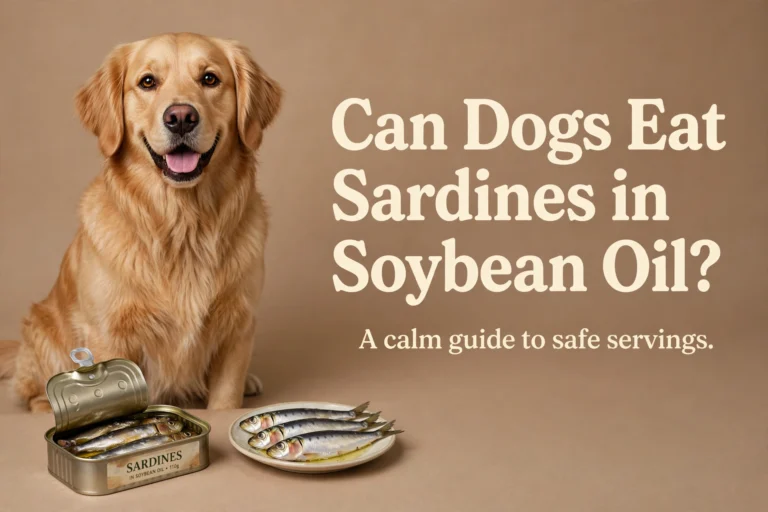
You open the pantry, find a tin of sardines in soybean oil, and your dog is already watching you with hopeful eyes. So, can dogs eat sardines in soybean oil? The calm answer is yes, for most healthy dogs, as an occasional treat, and only after you drain the oil. The fish itself is the…
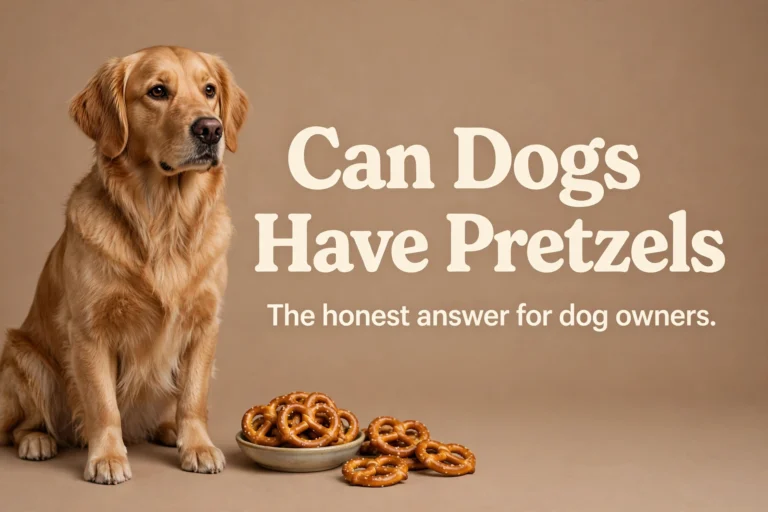
If your dog just stole a pretzel off the couch, you probably want one clear answer fast. The short version is this: a plain pretzel is not poisonous to dogs, but pretzels are still a poor snack choice, and some flavored kinds can be genuinely dangerous. Salt is the main problem, and a few hidden…
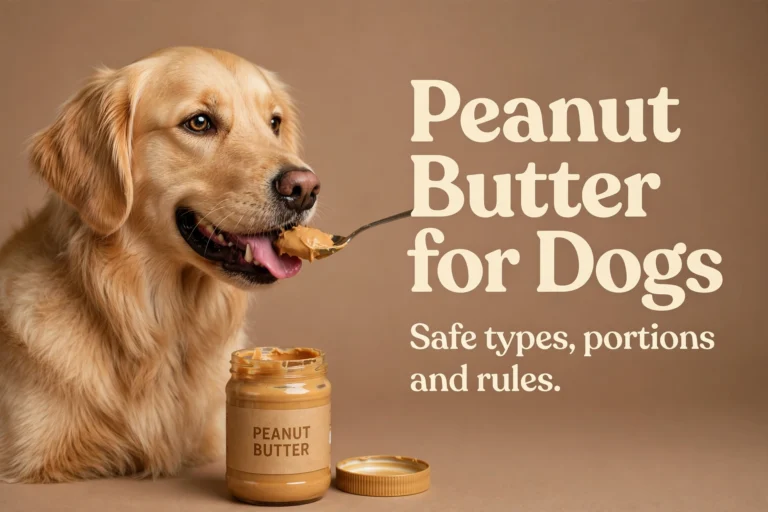
Your dog smells the jar before you even open it. The tail starts thumping and the eyes lock on your hand. That reaction is normal, because most dogs love the taste and smell of this spread. The good news is that peanut butter for dogs can be a safe treat. The catch is that only…
If your dog has been watching you eat blueberries with hopeful eyes, here is the good news. Yes, dogs can have blueberries. Fresh ones are safe, low in calories, and easy to portion, which makes them one of the simplest healthy treats you can share. But safe does not mean unlimited. The number matters, the…
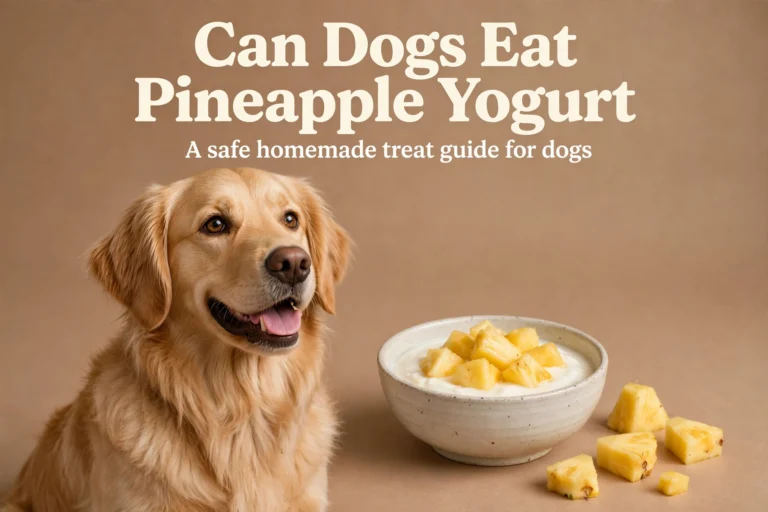
If your dog has ever stared at your breakfast bowl, you have probably asked yourself: can dogs eat pineapple yogurt? The short answer is that plain yogurt mixed with fresh pineapple can be a safe treat for many healthy dogs, but most pineapple yogurt sold in stores is not a good choice for them. The…
Your dog is staring at your sandwich, and the slice of turkey hanging off the bread looks like the perfect treat to share. Before you hand it over, it helps to know what is really in that slice. Our broad guide to what human foods dogs can eat mentions deli meat only briefly, so this…





4 Comments