If your cat has started emptying the water bowl faster than usual, you may be seeing the first sign of feline diabetes. This condition changes how your cat’s body handles sugar from food, and it is more common than many owners realize. About 1 in 100 cats develops it, and overweight cats face the highest risk.
The good news is that diabetes in cats can be managed well when it is caught early. Many cats live long, comfortable lives with daily insulin shots, a changed diet, and regular vet checkups. Some even reach remission, a stage where their body controls blood sugar on its own again.
This guide covers cat diabetes symptoms and treatment in plain language: the early signs to watch at home, how vets confirm the diagnosis, what treatment looks like day to day, and the warning signs that need fast action. It is general information only, not a substitute for veterinary care.
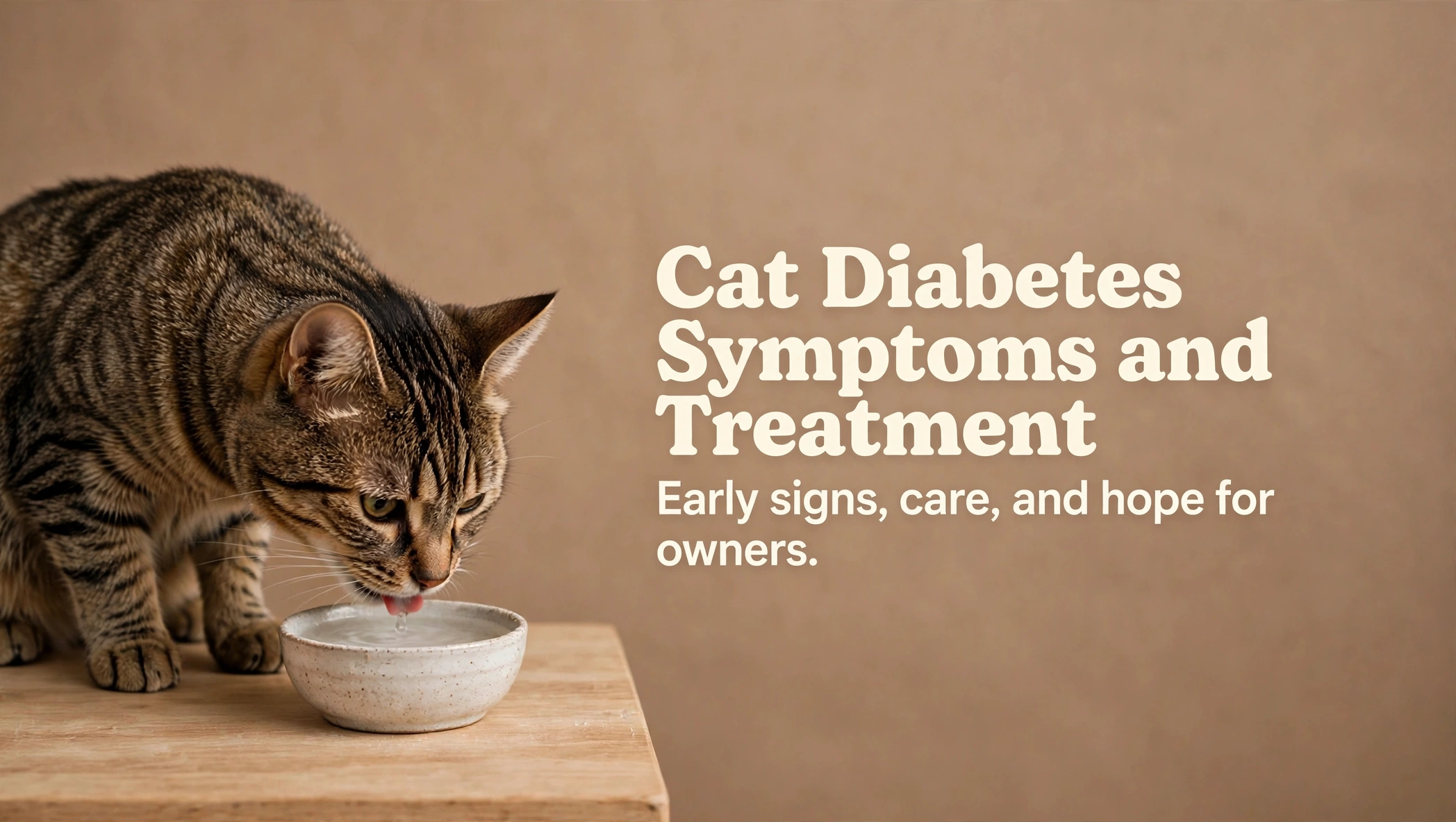
The Water Bowl Clue: The First Sign Most Owners Miss
Most owners notice the water bowl before they notice anything else. A cat that used to drink a little now drains the bowl, asks for refills, or starts drinking from taps, sinks, and any glass left on a table. This is often the earliest visible clue, and it is easy to miss because it builds up slowly over weeks.
Here is why it happens. When blood sugar climbs too high, the extra sugar spills into the urine. Sugar in the urine pulls water with it, so the cat urinates more and in larger amounts. The litter box fills faster, the clumps get bigger, and the cat drinks more to make up for the lost water. Thirst and urination rise together, and that pair is the classic early pattern.
If you suspect a change, keep a simple note for one week: how many times you refill the bowl each day, and how often you scoop the litter box. Numbers make the pattern clear, and they give your vet useful facts at the visit. Many owners first blame warm weather or a new food, so a short log helps rule those guesses out.
What Cat Diabetes Does Inside the Body
After a cat eats, food breaks down into sugar called glucose, which enters the blood. The pancreas then releases insulin, a hormone that acts like a messenger telling the body’s cells to take sugar in and use it for energy. In a diabetic cat, that message fails. Either the pancreas makes too little insulin, or the cells stop listening to it. Sugar then stays in the blood instead of reaching the cells, so the body runs short on energy even while blood sugar stays high.
Most cats develop a form close to type 2 diabetes in people, where the cells resist insulin and the pancreas gradually weakens. Over time, the starved cells push the body to break down fat and muscle for energy instead, which explains why a diabetic cat can eat well and still lose weight. You can read more background on how this condition works in cats on the Wikipedia page for diabetes in cats: Wikipedia page for diabetes in cats
Early Symptoms You Can Spot at Home
Diabetes signs often arrive one at a time, which is why they are easy to overlook. Watch for this set of changes, especially if two or more show up together:
Drinking more water than usual, and seeking out new water sources around the house. Urinating more often, with larger amounts in the litter box. Eating more yet slowly losing weight, because the body cannot use the food properly. Sleeping more, playing less, and showing less interest in daily routines. Grooming less, so the coat looks dull, greasy, or unkempt. A cat that once kept a neat coat but stops grooming deserves attention, since cats normally groom often.
None of these signs alone proves diabetes, since other health problems can look similar. The pattern matters more than any single change. If you notice two or more of these signs lasting more than a few days, book a vet visit rather than waiting for the next routine checkup.
Red Flag Signs That Need a Vet Visit Fast
Some signs mean the situation has turned urgent, and these should never wait. Call your vet the same day, or an emergency clinic after hours, if you see vomiting, a refusal to eat, extreme weakness, or a collapse. Other red flags include wobbly back legs, where the cat walks flat on its hocks instead of on its toes, breath that smells fruity or like nail polish remover, and fast or labored breathing.
These signs can point to diabetic ketoacidosis, a dangerous buildup of acids in the blood that happens when the body burns fat for energy without enough insulin. It is a medical emergency that needs hospital care. Do not try to treat it at home, and do not wait to see if the cat improves on its own.
Which Cats Are Most at Risk
Any cat can develop diabetes, but some face clearly higher odds. Overweight cats top the list, since extra body fat makes cells more resistant to insulin. Middle aged and older cats, roughly age 7 and up, are affected more often than young cats. Male cats develop it more often than females, and Burmese cats carry a higher genetic risk than most breeds.
Lifestyle adds to the risk too. Indoor cats that rarely play, cats fed freely all day from a full bowl, and cats that had long courses of steroid medicine are all more likely to develop it. Illnesses such as pancreatitis can also damage the pancreas and raise the risk. Older cats often juggle more than one health issue, so it helps to know the early signs of kidney disease in cats as well: early signs of kidney disease in cats
Weight control is the one risk factor owners can act on. Keeping a cat at a healthy weight through measured meals and daily play lowers the odds, and it also makes diabetes easier to manage if it does appear.
How Vets Diagnose Diabetes and Rule Out Stress
A vet visit for suspected diabetes usually starts with a conversation about the signs you noticed, plus a physical exam. Then come two basic tests: a blood test and a urine test. Both show raised sugar levels in a diabetic cat, and the urine test also checks for ketones, the acids linked to emergencies.
One tricky point is stress. A frightened cat at the clinic can show a temporary sugar spike, which looks like diabetes on a single blood test but fades once the cat calms down. To separate a stress spike from true diabetes, vets often run a fructosamine test, which reflects average blood sugar over the past 2 to 3 weeks instead of a single moment. A firm diagnosis matters before any cat diabetes symptoms and treatment plan begins, because treatment is a long term commitment and the wrong diagnosis would mean needless daily shots.
Insulin at Home: What the First Weeks Look Like
Most diabetic cats need insulin shots, usually given under the skin twice a day, shortly after a meal. The needle is very small, much smaller than a vaccination needle, and many cats barely notice the shot, especially when food distracts them. Your vet or vet nurse will show you the technique in person: pinch a fold of skin, usually over the shoulders, slide the needle in, and press the plunger gently.
Doses start low on purpose. Too much insulin can drop blood sugar dangerously low, so the vet raises the dose slowly over the first weeks based on blood sugar readings. These readings may come from a glucose curve, a series of blood samples taken across one day at the clinic, or from readings you take at home. Expect a few dose changes before the right level settles, and never adjust the dose on your own. If you miss a shot, ask your vet what to do rather than doubling the next one.
Food, Weight, and Mealtimes
Food is the other half of treatment, and it matters as much as insulin. Vets often recommend a canned food that is high in protein and low in carbohydrates, since carbs turn into sugar quickly and push blood sugar up. Dry food tends to carry more carbs, so many diabetic cats switch to wet food either fully or mostly.
Mealtimes should stay consistent. Feed measured portions at the same times each day, and give insulin around those meals so food and medicine line up. Avoid free feeding from a bowl that stays full all day, because steady grazing makes blood sugar harder to predict. Treats should stay small and rare, and any weight loss must be slow and supervised, since a crash diet can cause liver problems in cats. Fresh water should always be available, and the bowl should be washed daily.
Remission: Can a Cat Stop Needing Insulin?
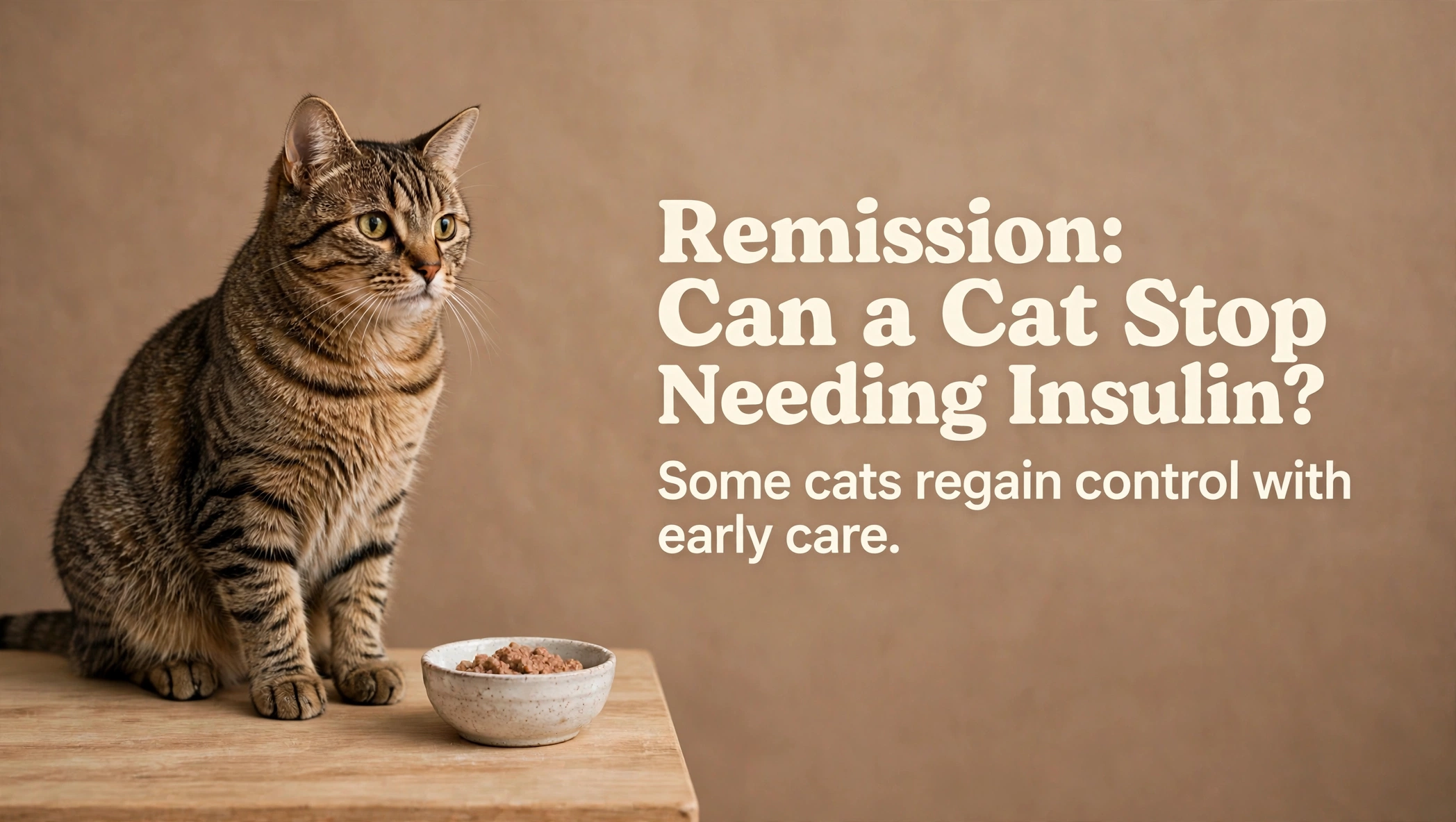
Remission is one of the most hopeful parts of feline diabetes. It means a cat’s body starts controlling blood sugar on its own again, so insulin shots can stop under vet supervision. It happens most often when treatment starts early, before the pancreas is badly worn down, and when insulin therapy pairs with a low carb diet and steady weight loss.
Remission is not a cure. A cat in remission still needs regular checkups and blood sugar monitoring, because diabetes can return, sometimes months later. Weight gain is the most common trigger for a relapse, so keeping the cat lean after remission matters as much as the treatment that got it there. Even cats that never reach remission can live well for years, so remission is a bonus, not the only measure of success.
Home Glucose Monitoring Basics
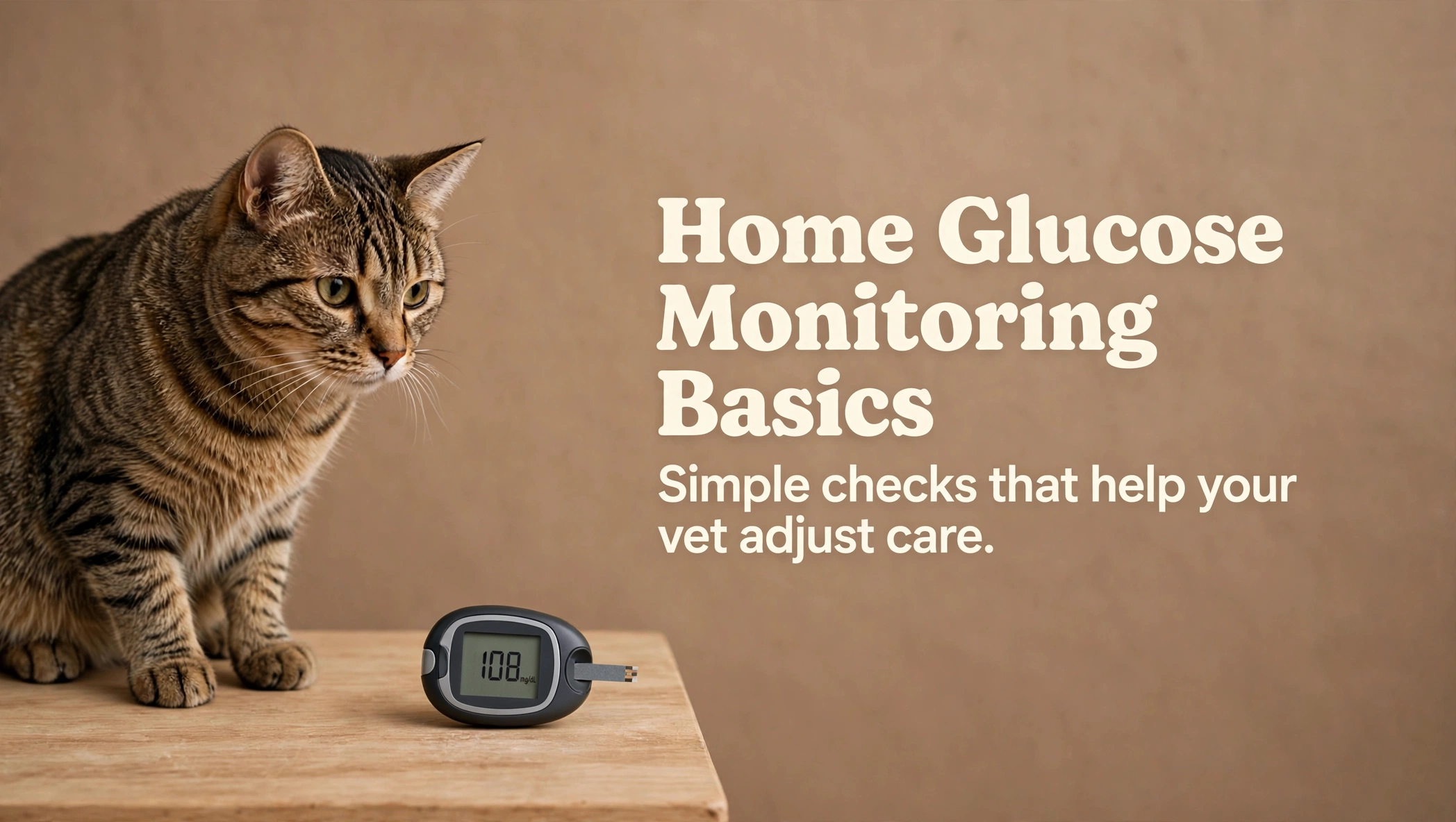
Some owners learn to check their cat’s blood sugar at home, and vets often encourage it because home readings avoid clinic stress. A pet glucose meter uses a tiny blood drop, usually taken from the edge of the ear or a paw pad, and the whole process takes under a minute once you practice it. A newer option is a small sensor stuck to the skin that reads sugar levels through the day and sends results to a phone app.
Home checks help in two ways. They show whether the current insulin dose is working, and they catch low blood sugar early. Signs of low blood sugar include wobbling, confusion, weakness, and glassy eyes. If you see these, contact your vet right away for guidance. Keep a simple log of readings, meals, shots, and any odd behavior, and bring it to every recheck visit.
Daily Life, Costs, and What to Track
Life with a diabetic cat settles into a routine: meals at set times, shots after meals, a short play session each day, and a quick daily check of water intake, litter output, appetite, and energy. A notebook or phone note works well for tracking. Write down bowl refills, litter changes, weight from home weigh ins, and anything unusual, and share the notes at vet visits.
Costs are a real part of planning. Insulin, syringes, glucose testing supplies, special food, and recheck visits add up, so ask your vet about the most affordable insulin option that suits your cat, and whether a smaller insulin pen would cut waste. For travel, plan ahead: teach a trusted sitter the shot routine, or choose a boarding facility that handles medical care. Never skip shots for a trip without a vet approved plan.
A Note on Health Advice
This article gives general information about feline diabetes for cat owners. It is not medical advice, and it cannot replace a veterinarian who has examined your cat. Every cat’s condition differs, and only your vet can diagnose diabetes, choose a treatment, or set an insulin dose. If your cat shows any red flag signs, or if you are unsure about a symptom, contact your vet or an emergency clinic promptly rather than waiting.
Conclusion: The Bottom Line on Cat Diabetes
Diabetes in cats sounds frightening at first, but it is one of the most manageable long term conditions a cat can have. The water bowl clue gives owners an early warning, a vet visit confirms the diagnosis with simple tests, and daily insulin plus a changed diet keeps most cats comfortable for years. Understanding cat diabetes symptoms and treatment early gives your cat the best chance at a stable life, and for some cats, even remission. Watch the bowl, trust the pattern, and call your vet when the signs add up.
Frequently Asked Questions About Cat Diabetes
Can cat diabetes be cured?
There is no permanent cure, but some cats reach remission, where their body controls blood sugar without insulin. Remission needs early treatment, a low carb diet, and weight control, and it requires ongoing monitoring because diabetes can return.
How long can a cat live with diabetes?
Many diabetic cats live for years with proper care. With steady insulin, the right diet, and regular vet checkups, a diabetic cat can enjoy a normal lifespan and a good quality of life.
Do all diabetic cats need insulin shots?
Most do, at least at first. Insulin is the main treatment for feline diabetes. A small number of cats may use newer oral medicines instead, but only if they meet strict criteria set by the vet, and insulin remains the standard choice.
What should I feed a diabetic cat?
Vets usually suggest a canned food high in protein and low in carbohydrates, served in measured portions at set mealtimes. Avoid free feeding and keep treats small and rare, and ask your vet before switching brands.
Why is my diabetic cat still drinking so much water?
Heavy drinking means blood sugar is still running high, so the kidneys keep flushing extra sugar out through urine. If thirst stays high after treatment starts, tell your vet, since the insulin dose or diet may need adjusting.
Can a healthy weight prevent cat diabetes?
Keeping a cat at a healthy weight lowers the risk a lot, since excess fat drives insulin resistance. It cannot guarantee prevention, but measured meals and daily play are the best protection an owner can give.
Is cat diabetes the same as diabetes in people?
It is similar to type 2 diabetes in people, where the body resists insulin and the pancreas weakens over time. The causes, signs, and management overlap, but cats need vet specific testing and dosing, so human routines should never be copied to a cat.
What does remission mean for a diabetic cat?
Remission means the cat’s body manages blood sugar on its own without insulin shots, confirmed by your vet through blood tests. The cat still needs checkups, a controlled diet, and a healthy weight, because relapse is possible.
Bella Barker is a pet food safety writer with 10+ years of experience. She researches what dogs and cats can (and can't) eat and turns it into simple, practical guides for everyday pet parents. 🐶🐱
It is confusing to watch your cat finish meals and still get thinner. Food is going in, so weight should stay steady. When it does not, the problem is usually not the amount of food in the bowl. It is what the body does with that food after it is eaten. A cat losing weight…
A cat with pancreatitis rarely looks as sick as it is. The signs are quiet, slow, and easy to blame on a bad day, a hairball, or old age. That is why this condition is missed so often, and why knowing what to watch for matters more than it does for most cat illnesses. Pancreatitis…
If your vet has just prescribed meloxicam for your dog, you probably want to know how much your dog should get and whether it is safe. Meloxicam is one of the most common pain medicines vets prescribe for dogs with arthritis, joint pain, or pain after surgery. It can help a stiff older dog walk…
If your vet has just handed you a small white tablet and a set of instructions, you probably have one question on your mind: how much tramadol should my dog get? The question of tramadol dog dosage has a short answer. Vets usually work from a range of 2 to 5 mg per kg of…
If you have noticed your cat at the water bowl far more often than usual, it is natural to worry. Cats are not big drinkers by nature, so a clear change in drinking habits is worth paying attention to. In most cases the reason turns out to be simple, like a change of food or…
When your cat stops pooping on schedule, it is easy to worry. Most of the time the cause is simple, like too little water or a change in food. Sometimes it points to a health problem that needs a vet. This guide walks through cat constipation causes and treatment in plain words, so you can…








4 Comments