It is worrying to find vomit on the floor, especially when your cat looks fine one minute and unwell the next. If you are asking why is my cat vomiting, the honest answer is that vomiting is a symptom, not a single illness. It can come from something simple, like eating too fast, or it can be the first sign of a health problem that needs care. This guide will help you sort one from the other, calmly and step by step.
The first thing to know is that occasional vomiting happens in many cats and does not always mean danger. The second thing to know is that pattern matters more than any single episode. How often it happens, what your cat looks like afterwards, and whether eating, drinking, and litter box habits have changed will tell your vet far more than one messy patch on the carpet.
First, Is It Vomiting, Regurgitation, or Coughing?
These three look alike at first glance, and telling them apart helps your vet a great deal. Vomiting is active. Your cat may lick its lips, drool, swallow again and again, and then heave from the belly before bringing up partly digested food, froth, or yellow fluid. Regurgitation is passive. Food comes back up soon after eating, with little effort, and it often looks much as it did in the bowl. Coughing is different again. A coughing cat often crouches low, stretches its neck out, and hacks without bringing up food, and coughing can point to a breathing problem such as asthma.
If you can, take a short video of the episode from a safe distance. Do not delay care to film it, and never try to hold your cat still during retching. A video taken calmly can save your vet from guessing, because owners often describe all three events with the same word. For a plain definition of the process itself, you can read the general page on vomiting.
One useful rule is timing. Food that returns within minutes of a meal, looking undigested, leans toward regurgitation or eating too fast. Food or fluid that comes up hours later, or on an empty stomach, leans toward true vomiting. Neither rule proves a cause on its own, but both give your vet a better starting point than “my cat threw up” alone.
Red Flags: See a Vet Right Now
Some signs mean you should not wait and see. Go to your vet or an emergency clinic at once if your cat shows any of these.
Blood in the vomit, or vomit that looks dark like coffee grounds, needs urgent care. So does vomiting again and again over a few hours, or being unable to keep even water down. A cat that is weak, limp, hiding and not responding, or crying in pain needs help now, not tomorrow.
Other emergencies are easy to miss. A string, ribbon, or thread hanging from the mouth or from under the tail is an emergency, and you must never pull it, because it may be caught inside and pulling can cause serious harm. Any chance your cat met a lily, even its pollen or vase water, is also an emergency, because lilies can badly damage a cat’s kidneys. The same applies if your cat may have swallowed medicine meant for people, a cleaning product, or any part of a toxic plant.
A male cat that strains in the litter box while vomiting needs emergency care too. Straining to pass urine can mean a blocked bladder, which can turn dangerous fast. Repeated retching that brings nothing up, a belly that looks swollen or feels tense and sore, trouble breathing, and collapse are all reasons to go now. If you are unsure whether it counts as an emergency, call your vet or an emergency clinic and describe what you see. That call costs nothing and can save a life.
Common Benign Causes: Hairballs, Eating Too Fast, and Diet Changes
Most mild cases trace back to a short list of everyday causes. Hairballs top that list. Cats swallow fur while grooming, and most of it passes through the gut, but some of it gathers and comes back up as a damp, tube shaped clump. An occasional hairball in a cat that is otherwise bright, eating, and drinking is usually not a worry. Hairballs that appear more than once or twice a month, or that come with weight loss or appetite change, are worth a vet check, because frequent hairballs can point to over grooming, skin irritation, or a gut that is moving too slowly.
Eating too fast is the second common cause. A cat that gulps a full bowl, especially after a long gap between meals or in a home with other pets, may bring the meal straight back up within minutes. The food often looks undigested, and the cat may ask for food again right away. Smaller, more frequent meals, a slow feed bowl, or a puzzle feeder can slow a fast eater down and often solves the problem on its own.
A sudden diet change is the third. Cats have sensitive stomachs, and a new food, a rich treat, table scraps, milk, or something scavenged outdoors can upset the gut for a day. If you change food, do it slowly over about a week, mixing a little more of the new food into the old food each day. Other mild causes include eating grass, a car ride that causes motion sickness, and a bout of excitement or play right after a meal. If a single mild episode settles and your cat returns to normal eating, drinking, and play, watching closely is usually enough.
What the Colour and Timing Can Tell You, and What They Cannot
Owners often study what came up, and some clues do help. Clear or foamy fluid often means the stomach was mostly empty, and yellow fluid is usually bile, a digestive fluid that can flow back into an empty stomach after a long gap between meals. Morning vomiting of yellow fluid in a cat that is otherwise well may simply mean the overnight gap was too long, and a small late evening snack sometimes helps. Undigested food soon after eating points back to fast eating or regurgitation, while partly digested food hours later points to true vomiting.
But colour alone cannot tell you how ill your cat is. Clear or yellow vomit can still come with a serious illness, and a single odd colour does not diagnose anything. Red or dark brown material is the exception, because it can mean bleeding, and that always needs a vet the same day. Smell is a weak clue too, except that vomit that smells like stool can point to a blockage and needs urgent care.
Timing matters in a different way. A single episode after a known trigger, like a new treat, is less worrying than vomiting that keeps returning on a pattern, for example every morning, or always after a certain food. A pattern over days or weeks is a reason to book a vet visit even if your cat seems fine between episodes, because chronic vomiting can point to food sensitivity, bowel inflammation, thyroid disease, kidney disease, or diabetes. Our guide to cat diabetes symptoms and treatment explains one of those longer term conditions and its warning signs in plain terms.
Kittens, Senior Cats, and Cats With Health Problems Need Faster Care
Healthy adult cats have more reserve than the very young, the very old, or cats already living with illness. Kittens can lose fluid fast, and a kitten that vomits and stops eating or drinking can weaken within hours. Senior cats, often aged eleven and up, are more likely to have kidney disease, thyroid disease, or other conditions that make vomiting a symptom rather than a simple upset. Cats with known diabetes, kidney disease, thyroid disease, or bowel disease also need faster care, because vomiting can mean their condition has flared or their medicine needs review.
There is one risk that belongs to cats alone and deserves special care. A cat that stops eating for more than a day or two can develop a serious liver condition called hepatic lipidosis, where fat builds up in the liver. This is a strong reason never to fast a cat at home for a long stretch. If your cat has not eaten for 24 hours, call your vet for advice the same day, even if the vomiting itself has stopped. The same rule applies to a cat that is drinking far less than usual, or not drinking at all.
If your cat falls into one of these groups, lower your threshold for calling. A same day appointment for a kitten or a senior cat that is vomiting and off its food is sensible, not overreacting. Tell the clinic your cat’s age and any known conditions when you call, so they can judge urgency correctly.
What to Track Before You Call the Vet
Vets solve vomiting cases faster when owners bring clear notes, and this is the part most guides skip over. Before you call, write down seven simple facts. First, the date and time of each episode, and how long after a meal it happened. Second, what came up: food, fluid, foam, bile, hair, or something unusual. Third, how your cat acted right after: normal, sleepy, hiding, or asking for food. Fourth, appetite and water intake since the first episode. Fifth, litter box changes: diarrhoea, constipation, straining, or blood. Sixth, weight change or a coat that looks dull, if you have noticed either. Seventh, anything new in the home: a new food, a new plant, a medicine, a string toy, or a stressful event like a move or a new pet.
Keep this note on your phone so you can read it to the clinic. Photos of what came up can help, though nobody expects a beautiful picture. A short video of the retching itself is even more useful, as it helps the vet tell vomiting from regurgitation or coughing. Note any medicines your cat takes, including flea treatments, and bring the packaging if you visit, so the vet can check doses and ingredients.
This tracker also helps you spot a pattern yourself. Vomiting only after one brand of treats, or only on mornings after a long overnight fast, points to a fixable cause. Vomiting with no pattern, or vomiting that slowly grows more frequent, points to a medical cause that needs tests. Either way, your notes turn a vague worry into a clear story, and that story is what your vet works from.
What to Do at Home in the First 24 Hours
If your cat has vomited once, seems otherwise well, and shows none of the red flags above, you can watch closely at home for a short period. Keep fresh water within easy reach at all times, and check that your cat is actually drinking. Offer small, frequent meals of its normal food rather than one large bowl, and keep treats and table scraps out of reach for the day. A quiet resting spot, away from other pets and loud noise, helps a stressed cat settle.
If your cat keeps food and water down after the first episode, you can return to normal feeding the next day, still in smaller portions at first. If vomiting happens again within the same day, or your cat goes off food, call your vet rather than waiting another full day. Do not try to “rest” the stomach by removing water. Water must stay available, because dehydration is one of the main dangers of repeated vomiting.
Watch for dehydration signs while you wait. Dry or sticky gums, sunken eyes, skin that stays tented when you gently pinch the scruff, and much less urine in the litter box all suggest your cat needs care soon. A cat that vomits again, becomes lethargic, or develops diarrhoea alongside vomiting should be seen the same day. Keep a simple log of each episode during this period, using the tracker in the section above, so nothing important is forgotten when you call.
What NOT to Do at Home
Good intentions can cause harm here, so this section matters as much as the last one. Never give your cat medicine meant for people, including painkillers, anti nausea tablets, or stomach remedies, unless your vet has told you to for this cat. Many human medicines are toxic to cats, and even a small dose can damage the liver or kidneys. The same rule covers herbal remedies, essential oils, and “natural” stomach products sold online. Natural does not mean safe for cats, and some plant oils are dangerous to them even in the air.
Never pull a string or thread that you can see hanging from your cat’s mouth or tail. It may run through the gut, and pulling can cut or tear inside tissue. Never force food or water into your cat’s mouth with a syringe unless your vet has shown you how, because a stressed cat can inhale fluid into its lungs. Never fast a cat for days hoping the stomach will settle, because a cat that stops eating risks the liver problem described above. And never wait out blood in the vomit, repeated vomiting, or a suspected poison because your cat “seems fine” between episodes. Cats hide illness well, and a bright spell between episodes does not rule out a serious cause.
Do not switch to a new diet, a raw diet, or a long list of supplements in the middle of a vomiting episode. Changing too much at once makes it impossible to tell what helped and what made things worse. If a diet trial is needed, your vet will plan it properly, usually with one food fed strictly for several weeks. Your job at home is simpler and safer: keep water available, keep the home free of strings and toxic plants, note what happens, and call early when the signs say so.
How Your Vet Will Find the Cause
Knowing what happens at the clinic can make the visit less stressful for both of you. Your vet will start with your notes and a hands on exam: weight, temperature, belly feel, mouth and gum check, and a look under the tongue for string. Blood and urine tests are common next steps, because they can reveal kidney, liver, thyroid, and blood sugar problems. A stool test can check for worms and other parasites, which are more likely in kittens, hunters, and outdoor cats.
If those tests do not give an answer, your vet may suggest an X ray or an ultrasound of the belly. These scans can show a blockage, thickened intestines, enlarged lymph nodes, or changes in the pancreas. In longer term cases, a strict diet trial with a special protein food for several weeks may be tried to test for food sensitivity. If scans show changes or diet trials fail, small tissue samples from the gut may be needed to tell bowel inflammation apart from intestinal lymphoma. That step sounds daunting, but it is how vets avoid guessing with long term treatment.
Treatment depends entirely on the cause, which is why home remedies cannot substitute for a diagnosis. It may mean a diet change, fluids to correct dehydration, anti nausea medicine, worm treatment, thyroid or kidney care, or surgery to remove a swallowed object. Your vet will explain which of these fits your cat and what improvement to expect, usually within a couple of days of starting treatment. If your cat does not improve in that time, call the clinic again rather than waiting for the next routine visit.
How to Lower the Chance of Vomiting Happening Again
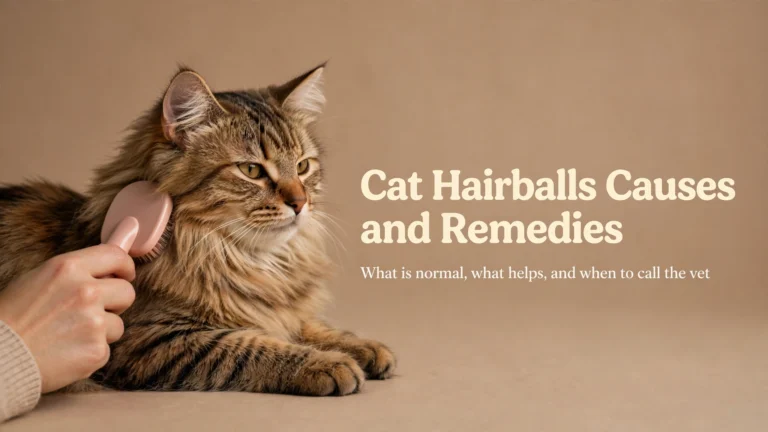
Once an episode has settled, a few steady habits can reduce the next one. Feed smaller meals more often, and use a slow feed bowl or puzzle feeder if your cat eats too fast. Change foods slowly over about a week, and keep rich treats and table scraps to a minimum. Brush long haired cats regularly, and talk to your vet about a hairball diet or lubricant gel if hairballs keep appearing. Regular grooming also lets you spot over grooming, bald patches, or skin irritation early, all of which can raise fur intake.
Cat proofing the home matters as much as feeding. Keep string, ribbon, hair ties, rubber bands, and tinsel out of reach, and store medicines, cleaning products, and toxic plants where cats cannot reach them. Lilies should not be in a home with cats at all, not even as a gift bouquet, because even pollen or vase water can be dangerous. Keep fresh water in more than one spot, especially in multi cat homes, and clean bowls daily so cats are not put off drinking.
Routine care closes the loop. Keep worm treatment and vaccinations up to date as your vet advises, watch your cat’s weight over time, and book a check if vomiting returns more than once or twice a month, even when your cat seems well. Early checks catch food sensitivity, thyroid disease, and kidney disease while they are easiest to manage. A calm feeding routine, a safe home, and a quick call when patterns change will prevent more vomiting than any single product ever will.
A Note on Health Advice
This article gives general information for cat owners, and it is not a substitute for veterinary advice, diagnosis, or treatment for your own cat. Every cat is different, and only a vet who has examined your cat can judge what is safe for them. If anything in this guide conflicts with advice from your vet, follow your vet. If your cat is vomiting repeatedly, cannot keep water down, shows blood, or may have swallowed something dangerous, contact a veterinary clinic right away rather than relying on general guidance. The aim of this guide is to help you act sooner and describe the problem more clearly, not to replace the clinic visit itself.
Conclusion: The Bottom Line on Cat Vomiting
Cat vomiting is common, but it is not something to ignore by default. A single mild episode in a cat that quickly returns to eating, drinking, and play is usually safe to watch for a day, with water available and small meals offered. Repeated vomiting, blood, lethargy, loss of appetite, or any red flag in this guide means a vet visit now, not a wait and see approach. Kittens, senior cats, and cats with known health problems deserve faster care, and no cat should go without food for more than a day without veterinary advice.
The most useful thing you can do is also the simplest: track what happens, note the timing and pattern, keep strings and lilies out of reach, and call your vet early when the pattern worries you. That calm, early call is what turns a frightening mess on the carpet into a problem with a clear cause and a clear plan. Your cat cannot describe what it feels, so your notes and your judgement are its voice at the clinic.
Frequently Asked Questions About Cat Vomiting
Why is my cat vomiting all of a sudden?
A sudden episode most often follows a simple trigger, such as eating too fast, a new food or treat, a hairball, grass, or something scavenged outdoors. If it happens once and your cat returns to normal eating and play, watching closely for a day is usually enough. If it repeats, or comes with lethargy, appetite loss, or diarrhoea, call your vet the same day.
Is it normal for cats to vomit hairballs?
An occasional hairball is normal, especially in long haired cats and heavy groomers. More than once or twice a month is not normal by itself and deserves a vet check, because frequent hairballs can point to over grooming, skin disease, or a gut problem. Regular brushing and a vet approved hairball diet can help, but they do not replace a check when frequency rises.
How often is too often for a cat to vomit?
As a rough guide, vomiting more than once or twice a month, or any vomiting with weight loss, appetite change, or lethargy, is worth a vet visit. Vomiting several times in one day, or vomiting that continues for more than a day or two, needs same day care. A pattern over weeks matters even if each single episode looks mild.
What should I do if my cat vomits yellow liquid?
Yellow liquid is usually bile from an empty stomach, and a single morning episode in a well cat may follow a long overnight gap between meals. A small late evening snack and smaller, more frequent meals sometimes help. Repeated yellow vomiting, or yellow vomiting with appetite loss or lethargy, needs a vet check to rule out gut, liver, or other illness.
Can stress cause a cat to vomit?
Stress can upset a cat’s stomach, and a move, a new pet, building work, or a vet trip can trigger an episode. Stress is best treated as a possible contributor, not the whole answer, until medical causes have been ruled out. If vomiting follows a stressful event but keeps happening after things settle, book a vet visit.
Should I withhold food after my cat vomits?
Do not fast a cat for a long period. Offer small, frequent meals of its normal food once it seems settled, and always keep fresh water available. If your cat refuses food for 24 hours, or cannot keep water down, call your vet the same day. Cats that stop eating risk a serious liver condition, so a long fast at home is not safe.
What does blood in cat vomit mean?
Blood can look bright red or dark like coffee grounds, and both forms need urgent veterinary care. Bright red blood may come from irritation or a sore in the mouth, stomach, or upper gut, while dark material can mean digested blood from further along the gut. Do not wait to see if it happens again. Call your vet or an emergency clinic at once.
When should I take a vomiting kitten to the vet?
Take a vomiting kitten to the vet sooner than you would an adult cat, especially if it vomits more than once, stops eating or drinking, has diarrhoea, or seems sleepy or weak. Kittens lose fluid fast and can weaken within hours. When you call, mention the kitten’s age and whether it has had worm treatment and vaccinations, so the clinic can judge urgency.
Bella Barker is a pet food safety writer with 10+ years of experience. She researches what dogs and cats can (and can't) eat and turns it into simple, practical guides for everyday pet parents. 🐶🐱
If your cat has started emptying the water bowl faster than usual, you may be seeing the first sign of feline diabetes. This condition changes how your cat’s body handles sugar from food, and it is more common than many owners realize. About 1 in 100 cats develops it, and overweight cats face the highest…
You walk into the room and your dog is licking bright blue crumbs off the floor while your child holds an empty yellow tub. Your stomach drops, and the first question in your head is simple: your dog ate play doh, so is your dog in real danger? A small bite of store bought Play-Doh…
That hacking sound in the middle of the night is one every cat owner knows. Your cat crouches low, retches a few times, and leaves a damp tube of hair on the rug. It looks awful, and it sounds worse, but most of the time it is simply how a cat’s body deals with the…
When your cat stops pooping on schedule, it is easy to worry. Most of the time the cause is simple, like too little water or a change in food. Sometimes it points to a health problem that needs a vet. This guide walks through cat constipation causes and treatment in plain words, so you can…
If your vet has just prescribed meloxicam for your dog, you probably want to know how much your dog should get and whether it is safe. Meloxicam is one of the most common pain medicines vets prescribe for dogs with arthritis, joint pain, or pain after surgery. It can help a stiff older dog walk…
Bully sticks are the chew many dogs would happily eat every single day. They are meaty, long lasting, and far more exciting than kibble, so plenty of owners end up asking the same practical question: how often can dogs have bully sticks without it becoming too much? The honest answer is that most healthy adult…








4 Comments