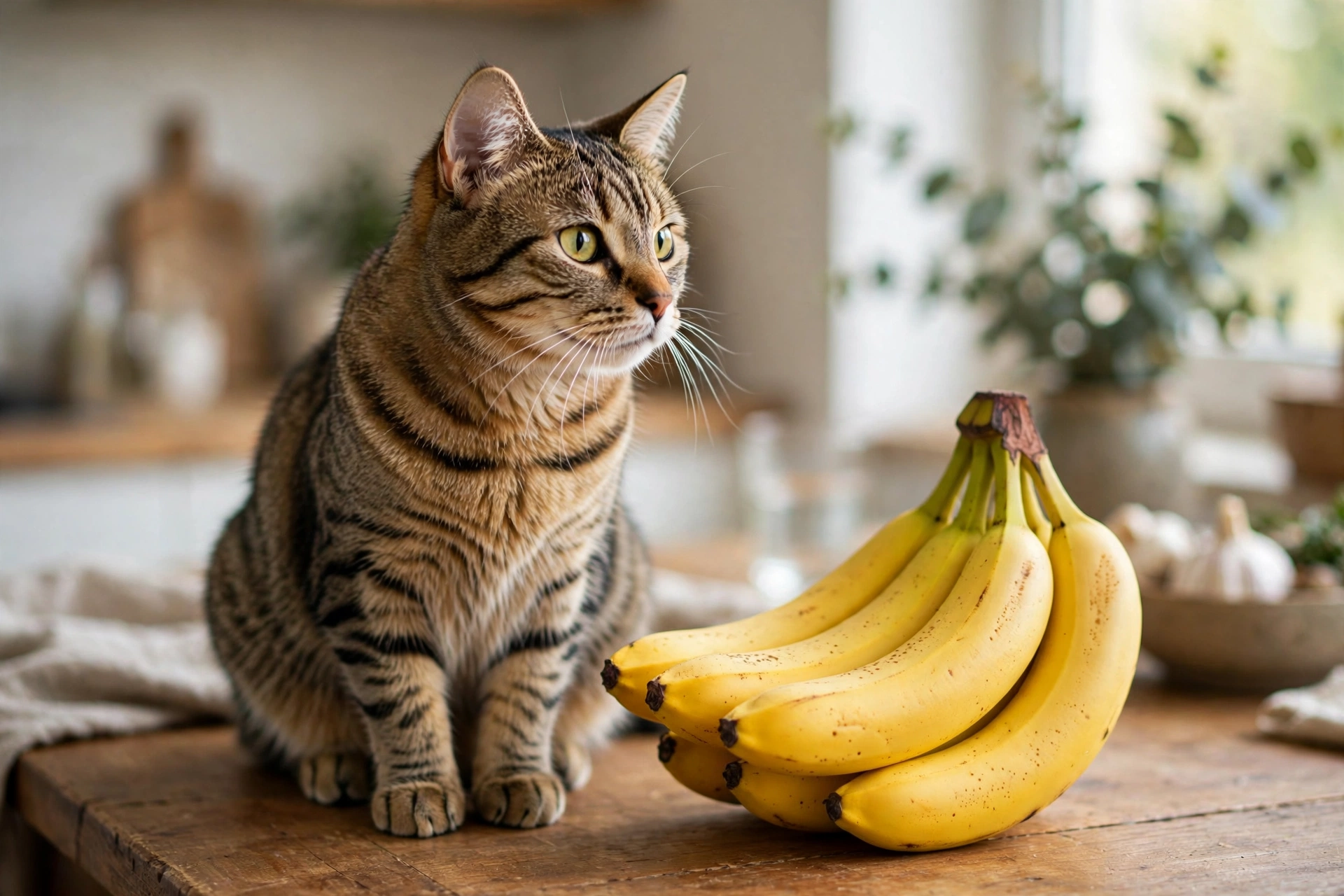
If you are wondering, can cats eat bananas, here is the short answer. Yes, bananas are not toxic to cats, and a tiny taste is unlikely to harm a healthy adult cat. But cats are obligate carnivores, which means their bodies are built to run on meat, not fruit. A banana gives your cat nothing it does not already get from good cat food, so it should only ever be a rare treat, if you offer it at all.
Most cats will not even ask for a bite. Cats cannot taste sweetness the way people do, and the soft, starchy texture of banana does not excite most feline noses. If your cat does show interest, the rules are simple: keep the portion tiny, skip the peel, and watch how your cat reacts.
Why Your Cat’s Body Is Built for Meat, Not Fruit
A cat’s digestive system is designed for animal protein and fat. Unlike people, cats make very little of the enzymes that break down starches and sugars, so plant foods pass through their system with limited benefit. A complete cat food already supplies every nutrient your cat needs: protein, taurine, vitamins, and minerals in the right balance. Fruit is not part of that equation. That is why vets call cats obligate carnivores. They must eat meat to thrive, and anything else is optional at best.
This is the main reason banana is a poor treat choice. One medium banana holds about 105 calories and 14 grams of sugar, according to USDA nutrition data. For a cat that needs only 200 to 300 calories a day, even a small chunk is a meaningful sugar load with no nutritional payoff. Your cat gets nothing from banana that a spoonful of cooked chicken would not deliver better.
What Bananas Actually Offer a Cat
Bananas do contain real nutrients. They are a good source of potassium, which supports muscles and nerves, plus vitamin B6, vitamin C, and soluble fiber that can feed friendly gut bacteria. In people, these are genuine benefits. In cats, the picture is thinner. Your cat already gets enough potassium, fiber, and vitamins from a balanced diet, so banana adds nothing it is missing.
Botanically the banana is a berry from plants in the genus Musa, grown in more than 130 countries around the world (see Wikipedia’s overview of the banana). The fiber angle deserves one note. Some owners offer a tiny bit of banana to help with mild constipation, and the fiber may play a small role. But banana is not a treatment, and too much fiber from fruit can swing the other way and cause loose stool. For real digestive help, talk to your vet instead of experimenting with fruit.
Can Cats Eat Bananas? How Much Is Safe
If your cat is a healthy adult and curious about banana, keep it to a rare treat. Vet guidance used across the major pet health sites puts all treats at no more than 10 percent of daily calories. For banana that means about a 1 inch piece, cut into small bits, offered every few weeks at most. That is the safe range most vets describe.
The first time, start even smaller. Offer one pea size piece and watch your cat for the rest of the day. If there is no vomiting, diarrhea, or change in appetite, the tiny taste was fine. Cats that are overweight or diabetic should skip banana entirely, because the sugar offers them only risk. And if your cat is on medication or has an ongoing health condition, ask your vet before offering any new food.
Peels, Banana Bread, and Other Forms to Skip
The peel is the part to watch. Banana peels are not poisonous to cats, but they are tough and hard to digest. A swallowed piece can cause stomach upset or, in a small cat, a choking or blockage risk. Peel the banana away from your cat and keep peels out of reach.
Banana based snacks are a different story from fresh fruit. Banana bread usually contains added sugar, butter, and sometimes raisins, chocolate, or artificial sweeteners, any of which can harm a cat. Banana chips are often fried or sweetened. Banana pudding is high in sugar and fat. None of these belong in your cat’s bowl. When in doubt, only plain, ripe, fresh banana counts, and even that only as a rare treat.
Can Kittens Eat Bananas? A Different Rule
Kittens play by stricter rules than adult cats. A growing kitten needs complete kitten food at every meal, because it is building bone, muscle, and brain tissue at a fast pace. Treats, including banana, can fill a tiny kitten stomach with empty calories and crowd out the nutrition it actually needs. For this reason, vets advise holding off on treats like banana until a cat is fully grown, around one year of age.
If you are raising a kitten, skip the fruit experiments and stick to kitten food plus fresh water. A kitten that develops a taste for sweet human foods can become a picky eater later, which makes balanced feeding harder. When your kitten becomes an adult, the tiny occasional taste rule above applies.
What Happens When Cats Eat Bananas
A small taste in a healthy cat usually causes no trouble at all. Problems start with bigger portions or sensitive stomachs. Watch for vomiting, diarrhea, constipation, loss of appetite, or unusual tiredness in the hours after your cat eats banana. These signs mean the fruit did not agree with your cat.
If you see these signs, stop offering banana and give fresh water and normal meals. Most mild upsets pass within a day. Call your vet if vomiting or diarrhea lasts longer than 24 hours, if you see blood in stool or vomit, or if your cat seems weak or in pain. These are not banana specific emergencies, but they always deserve a vet’s attention.
Smarter Treats Than Banana for a Cat
Since cats need meat, the best treats come from meat. A small piece of plain cooked chicken or turkey gives your cat real protein with no sugar load. Many commercial cat treats are also portion controlled and made for feline nutrition, which makes the calorie math easy. Your cat will almost certainly prefer these over fruit anyway.
Curious how this fruit plays out for the other pet in the house? We also covered whether bananas are safe for dogs, with portion charts by dog size.
So, can cats eat bananas? Yes, in tiny amounts on rare occasions, but your cat does not need them and most cats will not miss them. Keep portions small, skip the peel and all banana snacks, hold off for kittens, and choose meat based treats when you want to spoil your cat. When anything about a new food feels uncertain, your vet is the best guide.
Wrapping Up: Can Cats Eat Bananas?
Bananas will not poison your cat, but they add almost nothing a cat’s body actually needs. If your curious cat wants a taste, keep it to a tiny piece once in a while and skip the peel completely. Kittens should stick to their regular food while they grow. For a treat your cat will truly benefit from, a small piece of plain cooked chicken is the better pick.
Frequently Asked Questions About Cats and Bananas
Are bananas toxic to cats?
No. Bananas are listed as non toxic to cats by the ASPCA. They are safe in tiny amounts, but they offer no real nutritional value for a cat.
Can kittens have bananas?
It is best to skip banana for kittens. Growing kittens need complete kitten food at every meal, and treats can crowd out the nutrition they need. Vets advise waiting until a cat is fully grown, around one year old.
Can cats eat banana peels?
No. Peels are not poisonous, but they are tough and hard to digest, and they can cause stomach upset, choking, or a blockage. Keep peels away from your cat.
How much banana can a cat eat?
About a 1 inch piece, cut into small bits, every few weeks at most, for a healthy adult cat. All treats together should stay under 10 percent of daily calories.
Can cats eat banana bread?
No. Banana bread often contains added sugar, butter, and sometimes raisins, chocolate, or artificial sweeteners, which can harm cats.
Why does my cat like bananas?
Cats cannot taste sweetness the way people do. A cat that likes banana is likely drawn to the texture, smell, or novelty, not the taste.
Can banana help a constipated cat?
Banana has some fiber, but it is not a treatment for constipation. Too much can cause loose stool instead. Ask your vet for safe options if your cat has digestive trouble.
Bella Barker is a pet food safety writer with 10+ years of experience. She researches what dogs and cats can (and can't) eat and turns it into simple, practical guides for everyday pet parents. 🐶🐱
If you are wondering, can cats eat blueberries, here is the short answer. Yes, fresh ones are safe for cats in very small amounts. They are not toxic, and a berry or two will not harm a healthy cat. But cats are obligate carnivores, which means their bodies run on meat, not fruit. These berries…
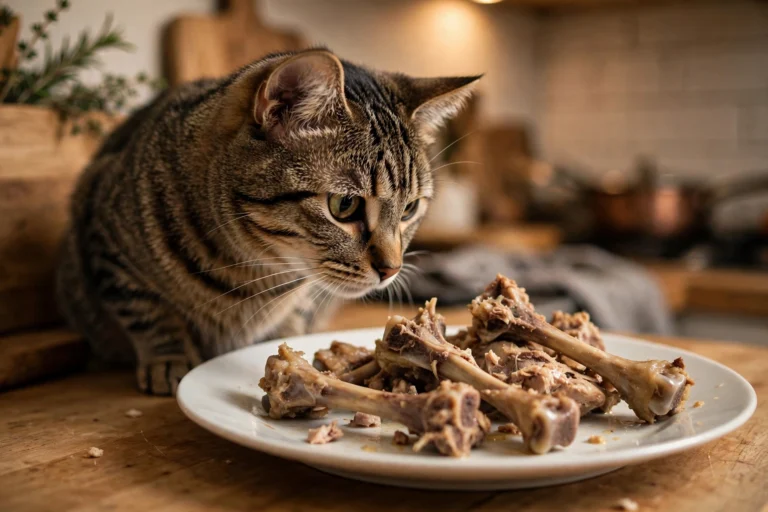
If your cat just stole a chicken bone off your plate, you are probably asking, can cats eat chicken bones, with your heart racing. Here is the short answer. No, cats should not eat chicken bones, and cooked bones are the dangerous ones. Cooking makes bones brittle, so they splinter into sharp pieces that can…
Your cat is watching you make a salad again, eyes fixed on every leaf you tear. Some cats bat at lettuce out of curiosity, and a few actually crunch it down with real enthusiasm. If you have ever wondered whether that leaf is safe to share, you are not alone. The short answer is yes,…
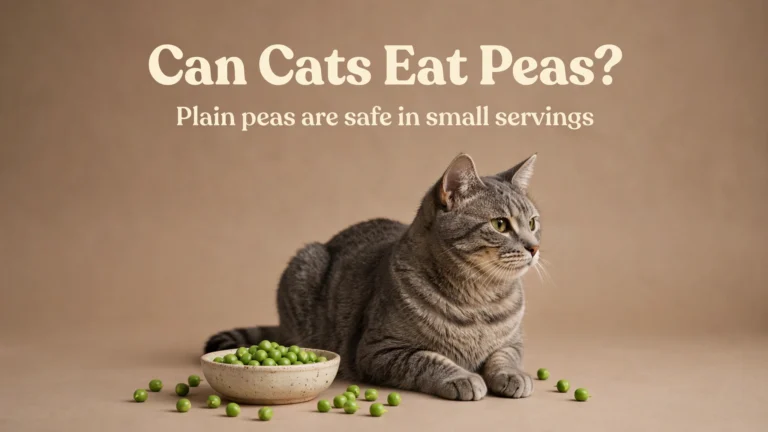
A pea rolls off the counter, your cat pounces on it like it is a mouse, and suddenly you are wondering: can cats eat peas? The short answer is yes. Peas are not toxic to cats, and a few plain peas make a harmless occasional treat. But there is a longer answer worth reading, because…
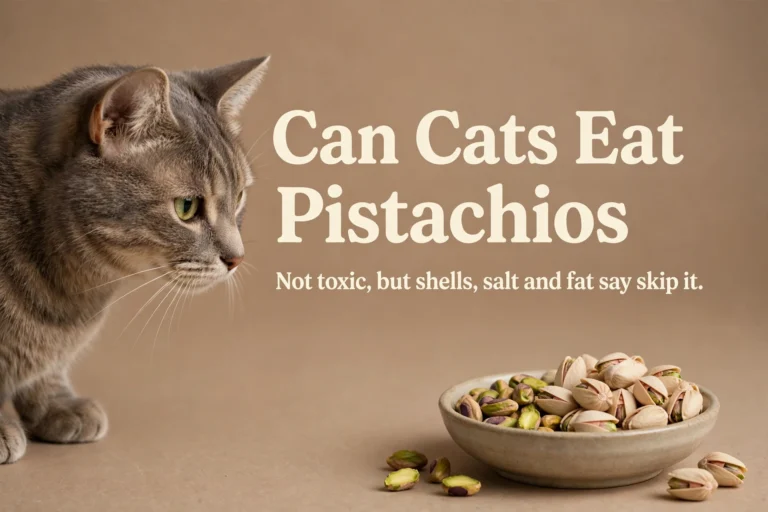
You are shelling pistachios on the sofa, the shells are piling up, and your cat is watching every crack and crunch like it is the best show on television. One nut rolls toward the cushion edge. Before it drops, you are already wondering whether you need to move faster than your cat. The short answer…
If you are scooping hummus with pita and your cat appears at your elbow, you might wonder if a tiny taste would hurt. Cats are famously curious about whatever lands on your plate. The answer of that query “Can Cats Eat Hummus?”is clear: cats should not eat hummus. The dip almost always contains garlic and…










3 Comments