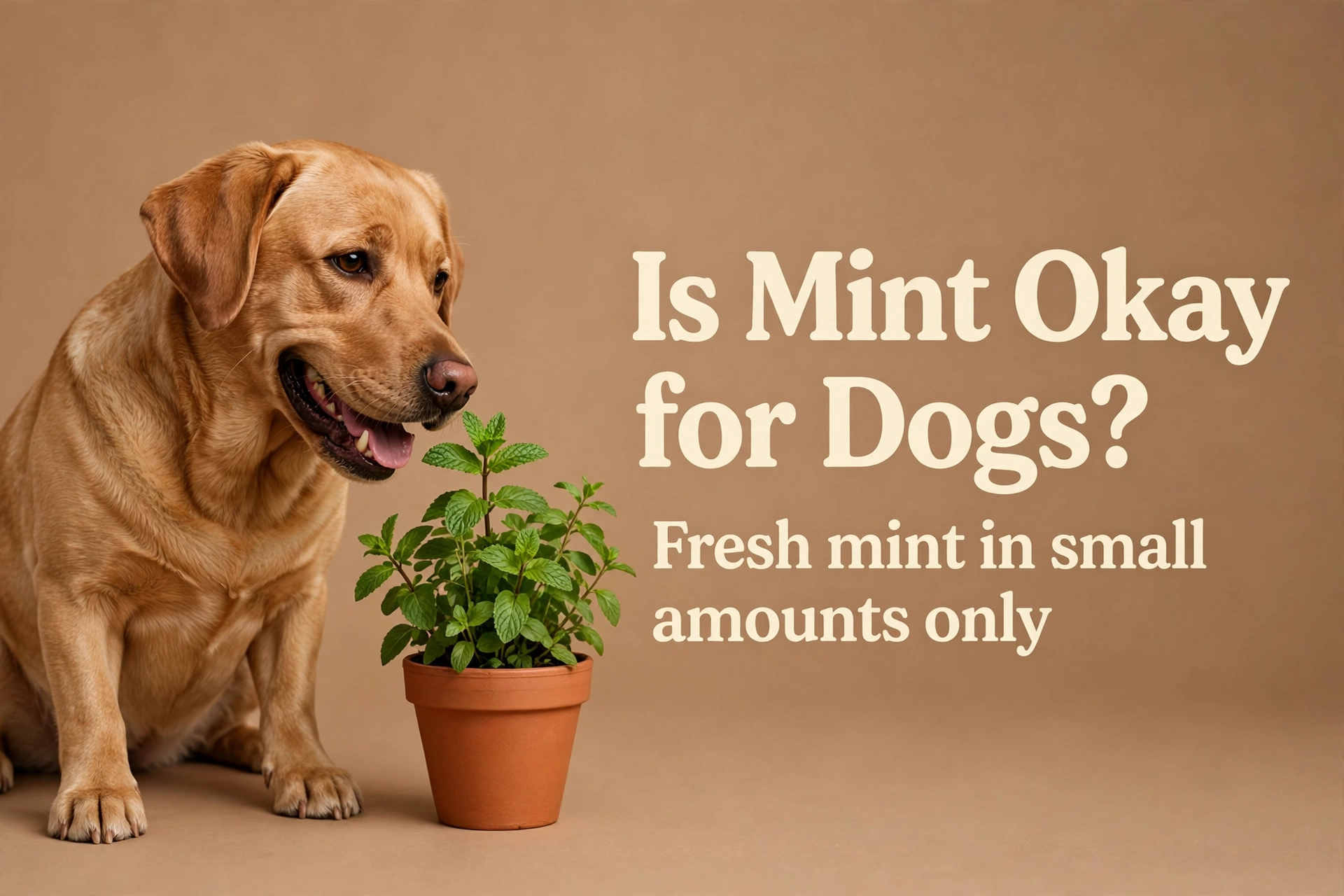
If your dog has sniffed a mint plant in the garden or watched you make a cup of tea, you may have wondered: is mint okay for dogs? The short answer is that a small amount of fresh spearmint or peppermint is usually fine for a healthy adult dog, but the type of mint and the form it comes in matter a great deal. A fresh leaf is a very different thing from a candy, a gum, or a bottle of oil, and one mint variety is outright dangerous.
Mint is not a food your dog needs. At best it is an occasional extra that may freshen breath and add a little variety to a treat. At worst, the wrong product can make a dog very sick in a short time. This guide walks through the safe types, the right portions, the products to avoid, and the warning signs to watch for, so you can make a calm and informed choice.
The Short Answer: Fresh Mint in Small Amounts Only
For most healthy adult dogs, one or two small leaves of fresh spearmint or peppermint, given now and then, are unlikely to cause harm. Wash the leaves first, chop them, and mix them into food or a homemade treat rather than handing over a whole stem. Treats of all kinds should stay within about 10 percent of your dog’s daily calories, and mint should be only a tiny part of that.
Skip mint altogether if your dog is a young puppy, is pregnant, has liver disease, or takes regular medication, unless your vet says it is fine. Dogs with sensitive stomachs may also react to even a small amount. Start with a single small leaf, watch your dog for a day, and only repeat it if there is no loose stool, vomiting, or loss of appetite. When the answer to the question is mint okay for dogs in your home, it should always be based on your own dog’s reaction, not just a general rule.
Which Mint Types Are Safe and Which Are Not
Mint belongs to the Mentha genus, which covers many related plants, and they are not all equal for dogs. The two common kitchen mints are the ones most owners deal with. Spearmint is the milder of the two and the one most often used in dog treats. Peppermint has more menthol, so it should be given in even smaller amounts and less often.
Mint type
Safe for dogs?
Notes
Spearmint
Yes, in small amounts
Mild flavor, often used in dog treats, best starter choice
Peppermint
Yes, in very small amounts
Higher menthol content, may upset sensitive stomachs
Pennyroyal
No, never
Contains pulegone, toxic to the liver and nervous system
Mint essential oil or extract
No, never
Highly concentrated, dangerous even in small doses
Unidentified wild mint
No, do not risk it
Do not feed any mint unless you know the exact variety
You can read more about the plant family on the Mentha page on Wikipedia. If a plant in your yard is simply labeled mint with no variety name, treat it as unknown and keep your dog away from it until you can identify it.
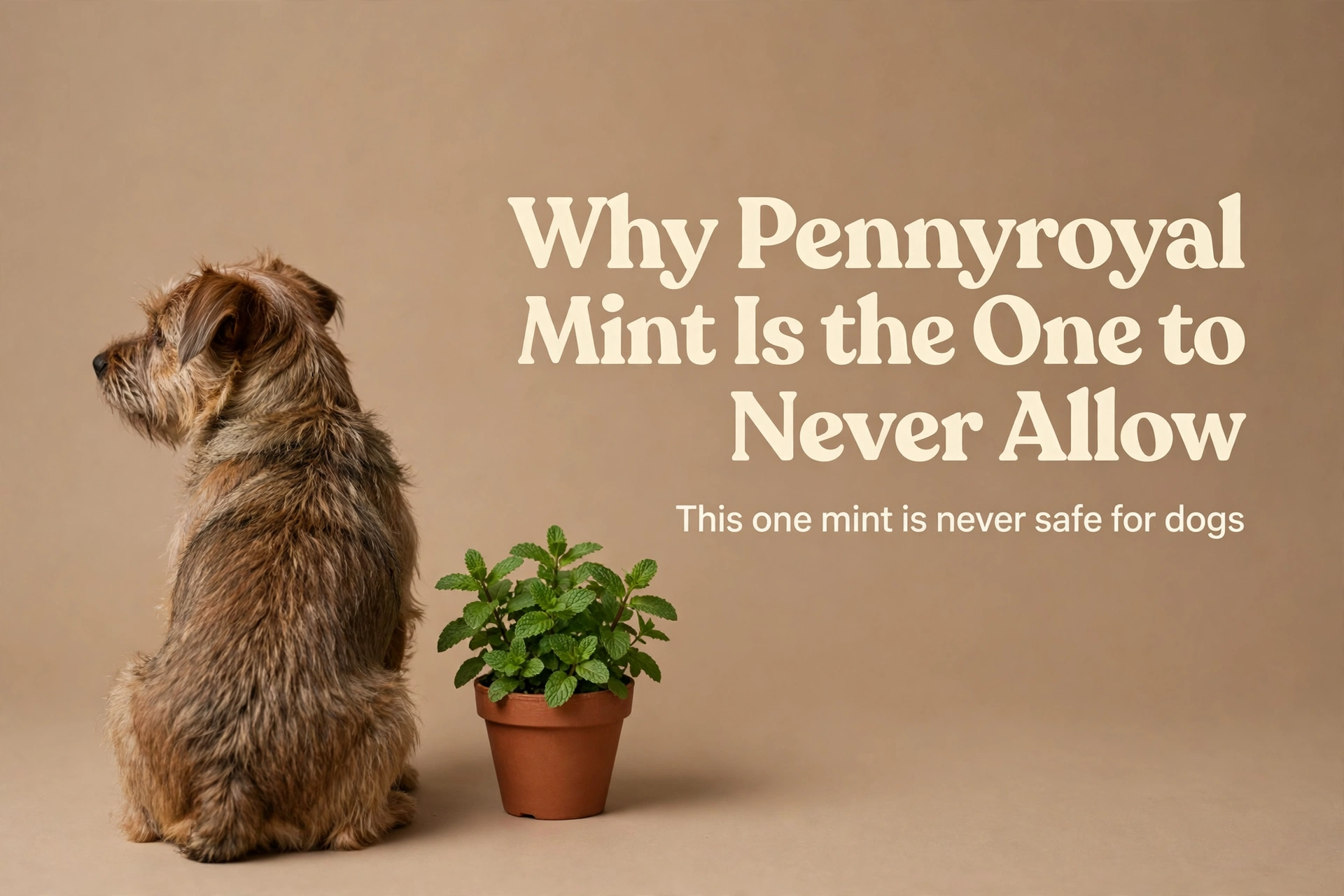
Why Pennyroyal Mint Is the One to Never Allow
Pennyroyal is the one mint that turns a simple herb question into a serious safety issue. It contains pulegone, a compound that can damage the liver and affect the nervous system. Pennyroyal oil is even more concentrated than the plant, and small amounts of it have caused severe poisoning in dogs.
Never use pennyroyal as a home flea remedy, and never plant it where a dog can reach it. If you already have it in the garden, pull it out or fence it off, and check that no cuttings are left where a curious dog could chew them. Some older herbal and pest control products also contain pennyroyal, so read the label of any mint scented product before you bring it into a home with a dog. This is the single most important mint rule to remember: spearmint and peppermint in tiny amounts may be fine, pennyroyal never is.
How Much Mint Can a Dog Have? A Simple Portion Guide
Portion size should follow your dog’s size, and less is always the safer choice. Use this as a starting guide for fresh leaves, given only a few times a week at most, not every day.
Small dogs under 20 pounds: one small leaf at a time. Medium dogs between 20 and 50 pounds: one or two small leaves, or about a teaspoon of chopped leaves. Large dogs over 50 pounds: up to a tablespoon of chopped leaves. Dried mint is stronger by weight than fresh mint, so use about half the fresh amount if you use dried leaves.
Always wash fresh leaves to remove dirt and any garden spray, and chop them so they cannot catch in the throat. Mix them into regular food so your dog does not eat a pile of leaves on an empty stomach. If your dog develops soft stool, gas, or vomiting after mint, stop giving it and let the stomach settle. There is no benefit in pushing past a bad reaction.
Mint Products That Look Harmless but Are Not Safe
The fresh leaf is the safest form of mint, and most of the danger comes from products made for people. Peppermint candy, breath mints, and chewing gum are the biggest concern because many sugar free versions contain xylitol. Xylitol is a sweetener that is highly toxic to dogs: it can drop blood sugar fast and, in larger amounts, damage the liver. It may also appear on labels as birch sugar or E967, so check the full ingredient list, not just the front of the pack.
Human toothpaste and mouthwash are also off limits, since they often combine mint flavor with xylitol, foaming agents, or fluoride. Diffusers, room sprays, potpourri, and scented oils spread concentrated mint oil through the air and onto fur, which a dog can then lick off. Mint tea bags are stronger than a fresh leaf too, and a dog that chews a tea bag can get a concentrated dose at once. When a product says mint on the label, ask what else is in it before you let it near your dog.
Mint in the Garden: What to Do When Your Dog Nibbles the Plant
Mint is famous for spreading fast, and that habit creates a problem most feeding guides skip over. A dog left alone near a mint bed can eat far more than the one or two leaves you would choose to give, simply because the plant is right there. If you grow mint, plant it in a pot or a raised bed your dog cannot reach, and label each variety so you always know what is growing.
Check the bed after storms or garden work, since broken stems on the ground are easy for a dog to pick up. Grow mint without pesticides or weed killer if a dog shares the yard, and wash any leaf you plan to feed. If your dog has already nibbled an unknown mint plant, note the plant if you can, watch for stomach upset, and call your vet if you see vomiting, wobbling, or unusual tiredness. A little garden planning prevents the most common way dogs overeat mint.
Signs Your Dog Ate Too Much Mint or the Wrong Kind
Most dogs that eat a little too much spearmint or peppermint will only show mild stomach upset: soft stool, gas, drooling, or a short spell of vomiting. These signs usually pass, but stop giving mint and offer fresh water and a plain meal. If symptoms last more than a day, or your dog refuses food and water, call your vet.
Signs of a more serious problem need faster action. Watch for weakness, stumbling, tremors, seizures, heavy drooling, pawing at the mouth, or collapse. Xylitol poisoning can start within an hour, with weakness and shaking as early warning signs. If you suspect xylitol, pennyroyal, or essential oil, call your vet or an animal poison helpline right away and do not wait for symptoms to get worse. Bring the product packaging if you have it, and do not try to make your dog vomit unless a vet tells you to.
Safer Ways to Freshen Your Dog’s Breath
If fresh breath is the reason you are thinking about mint, there are safer routes that do not depend on guessing a variety. Dental chews and treats made for dogs are the simplest option, since they are sized for dogs and do not carry the hidden sweeteners found in human candy. Brushing with a toothpaste made for dogs, even a few times a week, does more for breath than any herb.
Fresh parsley is another herb many owners ask about, and we cover it in our guide to whether dogs can eat parsley. A vet approved water additive can also help, but check with your vet first if your dog has health problems. If bad breath is strong, constant, or comes with drooling, loose teeth, or trouble eating, book a dental check rather than masking it with a scent. Bad breath that will not go away is often a sign of dental disease, not a need for a stronger mint.
Conclusion: The Bottom Line on Mint for Dogs
So, is mint okay for dogs? Yes, in a narrow and careful sense: a small amount of fresh spearmint or peppermint, given now and then to a healthy adult dog, is usually fine. No, when it comes to pennyroyal, mint essential oil, candy, gum, human toothpaste, and any product with xylitol. Those are never worth the risk.
Keep portions tiny, know the exact variety, wash every leaf, and watch how your dog reacts the first few times. If you are ever unsure about a plant or a product, leave it out and ask your vet. That simple habit keeps a harmless herb harmless.
Frequently Asked Questions About Mint for Dogs
Can dogs eat fresh mint leaves?
Yes, dogs can eat small amounts of fresh spearmint or peppermint leaves. Wash the leaves, chop them, and offer only one or two at a time. Avoid pennyroyal and any mint variety you cannot identify.
Is peppermint safe for dogs?
Fresh peppermint leaves are generally safe in very small amounts, but peppermint oil, extract, candy, and gum are not safe. Peppermint has more menthol than spearmint, so keep portions smaller and watch for stomach upset.
Is spearmint safe for dogs?
Spearmint is the mildest common mint and the safest choice for dogs in small amounts. It is often used in dog treats. Even so, keep it occasional and stop if your dog develops loose stool or vomiting.
Is pennyroyal mint poisonous to dogs?
Yes. Pennyroyal contains pulegone, which can cause liver damage and nervous system problems. Never feed pennyroyal to a dog, never use pennyroyal oil, and remove the plant from any area your dog can reach.
Can dogs have mint tea?
Plain mint tea made from spearmint or peppermint is not the best choice for dogs, and sweetened or flavored tea should be avoided. A dog that chews a tea bag can get a concentrated dose, so keep tea and tea bags out of reach.
Can dogs eat peppermint candy or gum?
No. Peppermint candy and gum often contain xylitol, which is highly toxic to dogs, along with sugar, artificial flavors, and concentrated peppermint oil. Even one piece of sugar free gum can be dangerous for a small dog.
Is mint essential oil safe around dogs?
No. Mint essential oil is highly concentrated and can irritate the mouth, stomach, and airways. Do not use mint oil in diffusers, sprays, or on your dog’s skin or fur.
What should I do if my dog eats a lot of mint?
Watch for vomiting, diarrhea, drooling, weakness, or tremors. For a small amount of plain spearmint or peppermint, mild stomach upset often passes on its own. If your dog ate pennyroyal, mint oil, candy, or gum, or shows serious signs, call your vet or an animal poison helpline right away.
Bella Barker is a pet food safety writer with 10+ years of experience. She researches what dogs and cats can (and can't) eat and turns it into simple, practical guides for everyday pet parents. 🐶🐱
Searching “can dog eat banana” while your dog watches you peel one? Here is the fast answer.Yes, dogs can eat bananas. A few peeled slices are a safe treat for most healthy dogs. Bananas have fiber and potassium, but they also have sugar, so keep portions small. Never feed the peel. Ask your vet first…
You probably have a bottle of olive oil in your kitchen right now. Maybe you cook with it, or you drizzle it over salads. When your dog watches you with those hopeful eyes, it is natural to wonder if a little olive oil in their bowl could do them good too. The short answer is…
If you have ever caught your dog sniffing the sesame topping on your bagel, you have probably asked yourself: can dog eat sesame seeds? The short answer is yes, plain sesame seeds are safe for dogs in tiny amounts. They are not toxic, and a small pinch as an occasional treat will not harm a…
Yes, dogs can eat carrots. Served raw or cooked, plain and cut to a safe size, they make a healthy low calorie treat for most dogs. They are packed with beta carotene, fiber, and vitamins that support the eyes, digestion, and the immune system. Like every treat, they belong inside the 10 percent rule: all…
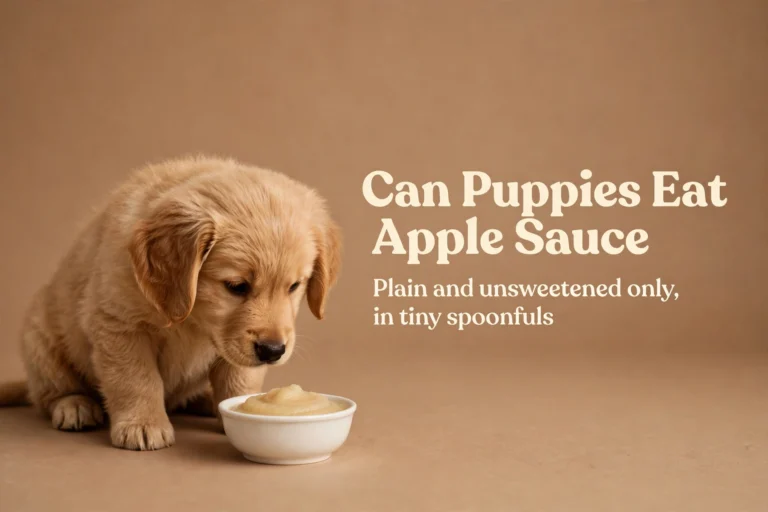
You open a jar of apple sauce for lunch, and your puppy is already there, nose up, tail going. It smells sweet and looks harmless. It is just cooked apples, after all. So can puppies eat apple sauce? Yes, they can, as long as it is plain and unsweetened, the amount is tiny, and your…
Your dog is staring at your sandwich, and the slice of turkey hanging off the bread looks like the perfect treat to share. Before you hand it over, it helps to know what is really in that slice. Our broad guide to what human foods dogs can eat mentions deli meat only briefly, so this…









One Comment